
March 21, 2026
In commercial construction, the most expensive problems rarely come from obvious mistakes. They come from small gaps in planning, coordination, or decision-making that are easy to overlook at the start.
A detail missed in design, a misaligned timeline, or a change made mid-project can quickly affect multiple trades, increasing costs and extending schedules. These issues are common across projects of all sizes, but they are often preventable with the right approach.
Knowing where these breakdowns typically occur allows businesses to stay ahead of them, protect their investment, and keep projects moving efficiently from start to finish.
Why Planning and Communication Are Key to Cost Control
The most successful construction projects begin with detailed planning. Before drawings are finalized or materials are ordered, teams should align on goals, budget limits, and the overall scope of the project. A well-organized planning phase allows teams to identify risks early and avoid expensive corrections later.
The Hidden Costs of Poor Project Coordination
Commercial construction involves many moving parts. Architects design the space, engineers handle structural systems, contractors manage construction, and specialized trades complete electrical, plumbing, and finishing work.
If these groups are not communicating regularly, mistakes happen. A design change may not reach the contractor in time. A supplier may deliver materials before the site is ready. A subcontractor may arrive before another team finishes its work.
Industry data shows that poor coordination and rework can account for nearly 10 percent of construction costs on some projects. These issues may seem small at first, but they quickly compound when schedules begin to slip.
Many experienced project managers hold regular coordination meetings to keep all teams aligned. Shared project management platforms also help ensure that everyone is working from the same information.
How Clear Objectives Prevent Overruns
One of the most effective ways to prevent budget overruns is to define project priorities early. Businesses should determine how the space will be used, what features are essential, and where flexibility exists.
For example, a retail business may prioritize customer flow and display space, while a manufacturing facility may prioritize efficiency and equipment layout. When these goals are clear, architects and contractors can design solutions that support both functionality and budget control.
Mistake #1 – Underestimating the Budget
Failing to Account for Contingencies
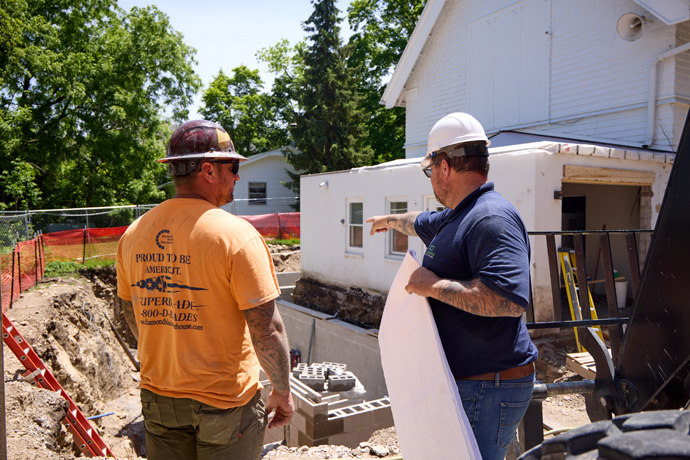
Unexpected challenges appear in nearly every project. Structural repairs may become necessary once walls are opened. Soil conditions may require additional foundation work. Global supply chain delays can affect material availability.
Experienced construction teams recommend setting aside a contingency fund of roughly ten to fifteen percent of the total construction budget. This reserve helps businesses handle surprises without halting progress.
Contingency funds also allow project managers to address issues quickly, which often prevents delays from spreading through the construction schedule.
Ignoring Design and Material Changes Mid-Project
Changes during construction are another major driver of cost increases. What looks like a small adjustment on a design drawing can create significant work on the construction site.
Moving a wall may require changes to electrical wiring, HVAC ductwork, and plumbing systems. Switching materials may involve new supplier timelines and additional installation work.
Construction professionals often encourage businesses to finalize design selections before the
project begins. Early decisions reduce change orders and help maintain a steady workflow on site.
Mistake #2 – Choosing the Lowest Bidder Without Vetting
Why Cheapest Doesn’t Mean Best Value
Construction bids that appear significantly lower than others may be missing important scope items. These gaps often appear later as change orders once construction is underway.
Another risk involves unrealistic timelines or labor estimates. If a contractor underestimates the work required, the project may experience delays or quality issues.
Experienced project owners often compare bids line by line to ensure each proposal includes the same scope of work. This helps reveal where differences in pricing originate.

The Importance of Experience and Reputation
Construction experience provides valuable insight during both planning and execution. Contractors who have completed similar projects understand common risks and how to address them early.
For example, an experienced builder may identify structural challenges during the design phase rather than after construction begins. This foresight helps prevent costly redesigns.
Client references and past project portfolios provide useful insight into how a contractor manages timelines, budgets, and communication.
Mistake #3 – Overlooking Permits and Regulations
Common Code and Zoning Missteps
Commercial buildings must follow strict regulations related to fire safety, accessibility, structural integrity, and environmental standards. Zoning rules also control how properties can be used and developed. Accessibility guidelines require specific doorway widths, restroom layouts, and parking accommodations. Fire codes regulate sprinkler systems, exits, and occupancy limits.
If construction does not meet these standards, inspectors may require corrections before approving the project.
How Early Compliance Saves Time and Money
Experienced construction teams review local regulations during the planning phase. This step ensures that designs align with building codes and zoning restrictions.
Early communication with permitting offices and inspectors also helps avoid unexpected delays. Projects that address regulatory requirements early tend to move through approvals more efficiently.
Mistake #4 – Poor Scheduling and Workflow Management
The Domino Effect of Missed Deadlines
When one task runs behind schedule, other teams may need to pause their work. If framing takes longer than expected, electrical and plumbing crews may need to reschedule their visits.
These disruptions increase labor costs and extend the timeline. Subcontractors often manage several projects at once, so missed windows may push their work weeks into the future.
Communication Between Trades and Teams
Successful construction projects rely on frequent communication between trades. Project managers often hold weekly site meetings to review progress, discuss challenges, and adjust timelines when needed. Digital project management tools also help track tasks, approvals, and updates in real time.
How a Design-Build Partner Reduces These Risks
Many construction challenges occur because design teams and construction teams operate separately. A design-build approach brings these groups together under one structure.
Streamlining Communication and Accountability
In a design-build model, architects, engineers, and builders collaborate throughout the project. This structure allows design decisions to reflect real construction conditions. Contractors can provide practical input during the design phase.
The DeLeers Approach to Efficient Construction
DeLeers Construction uses a collaborative design-build process that focuses on planning, transparency, and communication. Construction professionals contribute to design discussions early in the process, which helps identify cost-saving opportunities and avoid potential complications.
Final Takeaways for Cost-Effective Construction
Commercial construction projects succeed when businesses invest in thoughtful planning and experienced partners. Avoiding common mistakes helps protect both the project timeline and the overall budget.
Investing in Experience, Planning, and Quality
Experienced construction teams bring valuable insight to every stage of a project. Detailed planning, clear communication, and realistic budgeting help prevent many of the costly issues that can arise during construction.
With the right strategy and partners, businesses can create spaces that support productivity, efficiency, and long-term growth.
Planning a commercial construction project? Contact DeLeers Construction to learn how experienced design-build guidance can help your project stay organized, efficient, and financially controlled from start to finish.
Contact us today to discuss your project and discover how we can bring your commercial vision to life.

- Share:
-

-

-

-


