
January 08, 2026
A commercial renovation shapes how a building will function for years to come. Decisions made during planning affect daily operations, safety, comfort, and the long-term value of the property. When teams take time to clarify goals and understand how spaces are actually used, renovations tend to run more efficiently and deliver stronger results.
Poor planning, by contrast, often turns into change orders, schedule disruptions, and unexpected costs. A thoughtful process creates alignment, improves communication, and gives owners confidence about what will happen and why. The result is a renovation that supports the business instead of interrupting it.
Why a Clear Plan Is Critical for Commercial Projects
Setting Goals That Align With Business Needs
Every successful renovation begins with well-defined goals. Businesses renovate for many reasons, including expanding capacity, modernizing infrastructure, improving workflow, or enhancing curb appeal.
When those goals are spelled out early, they guide decisions throughout the project and help teams stay aligned when choices need to be made. Clear goals also prevent unnecessary features from creeping into the design and absorbing budget where they do not belong.
Understanding Scope and Expected Outcomes
Scope is one of the most important planning conversations owners can have. It clarifies what areas are changing, what remains untouched, and what outcomes the renovation must achieve. A well-defined scope helps the project team estimate accurately, schedule appropriately, and manage expectations.
Step 1: Evaluate Your Existing Space
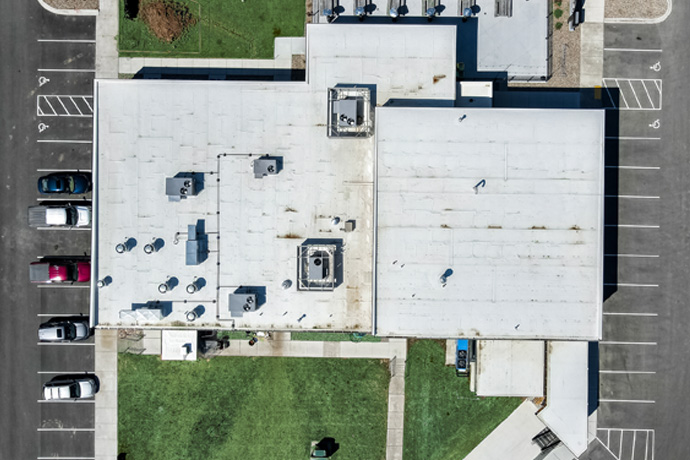
Before drawings are created or costs are discussed, the existing building needs a careful evaluation. A renovation often reveals hidden conditions, so understanding the structure, systems, and layout upfront is critical. This assessment provides the foundation for realistic design conversations and budget planning.
Assess Functionality, Code Compliance, and Safety
A detailed site review examines structural integrity, accessibility, mechanical and electrical systems, and overall code compliance. Safety concerns are always prioritized because issues such as outdated wiring, failing systems, or inadequate exits can significantly affect both design and cost.
Identify What Works and What Needs Updating
Not every component of a building requires replacement. Some elements continue to perform well and can be preserved or repurposed. Others may be outdated, inefficient, or misaligned with how the space is actually used today.
Step 2: Establish a Realistic Budget and Timeline
Thoughtful budgeting and scheduling protect owners from surprises and allow the project to move with confidence. Renovations are complex, and the more transparent the planning process is, the more predictable the experience becomes.
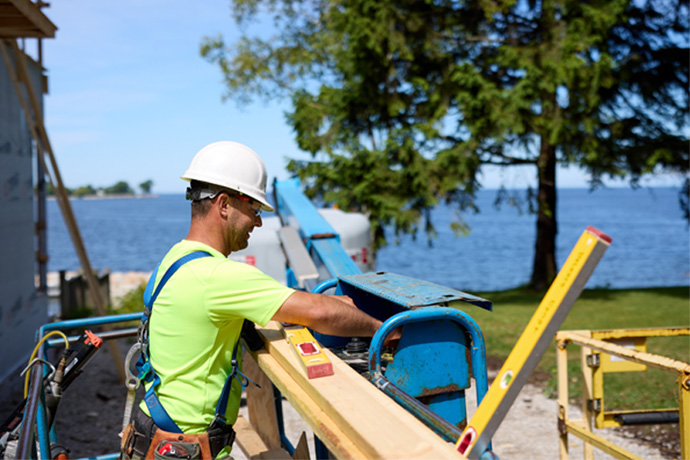
Accounting for Labor, Materials, and Contingencies
A comprehensive renovation budget includes labor, materials, demolition, disposal, design services, and permitting, along with allowances for unexpected conditions uncovered during construction.
Building in contingency is not a sign of over-planning. It is a practical way to manage uncertainty and avoid stressful financial decisions mid-project. When owners understand where every dollar is allocated, they can make informed choices and prioritize wisely.
Scheduling Around Business Operations
Renovations frequently occur while a business continues operating. That means schedules must consider customer access, employee workflow, deliveries, and safety. A realistic timeline accounts for these operational needs while also sequencing construction as efficiently as possible. The planning stage is where potential disruptions are identified and minimized so the business can remain productive while work progresses.
Step 3: Select the Right Design-Build Partner
Choosing the right partner will influence every phase of the renovation. The team leading the work manages communication, problem-solving, coordination, and accountability, which means their approach matters as much as their technical experience.
Why Collaboration Reduces Delays and Cost Overruns
A design-build partner integrates design and construction within a single coordinated team. That collaboration keeps conversations fluid, reduces miscommunication, and helps avoid the disconnects that often lead to cost overruns and schedule changes.
When the entire team works toward shared goals, potential challenges are identified earlier and resolved faster, which reduces risk for the owner.
The DeLeers Advantage in Communication and Execution
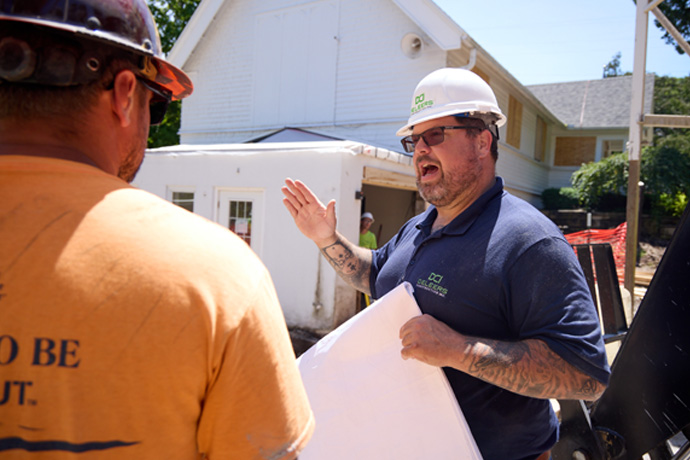
At DeLeers Construction, communication is treated as a critical project tool rather than an afterthought. We establish expectations at the beginning, maintain consistent updates, and make sure questions are addressed promptly.
By focusing on transparency and accountability, we reduce surprises and keep owners informed throughout the process. This approach builds trust and leads to smoother, more predictable outcomes.
Step 4: Secure Permits and Meet Regulations
Permitting and regulatory compliance are essential parts of any commercial renovation. They protect safety, ensure legal compliance, and contribute to the long-term value of the property.
Understanding Local Zoning and Building Codes
Each municipality has unique requirements related to zoning, accessibility standards, occupancy, structural modifications, and fire safety. These rules influence design decisions from the earliest planning stages. Understanding regulatory expectations upfront prevents costly revisions and ensures that the project remains compliant throughout construction.
How Early Compliance Avoids Costly Delays
Submitting accurate permit documentation early allows reviews and approvals to stay on schedule. Inspections during construction confirm that work meets safety and quality standards.
When compliance is prioritized, it becomes part of an organized process rather than a source of interruption. Projects move forward more smoothly, and owners gain peace of mind knowing everything is properly documented.
Step 5: Execute the Renovation with Minimal Disruption
Execution is where planning becomes reality. A well-managed construction phase focuses on safety, organization, and maintaining business continuity wherever possible.
Phasing Construction to Keep Business Running
Phased construction strategies break the renovation into manageable segments so operations can continue while work is completed. Temporary barriers, controlled access routes, and clearly communicated schedules help employees and customers navigate the environment safely. The objective is to transform the space while still allowing the business to function effectively.
Prioritizing Safety and Site Management
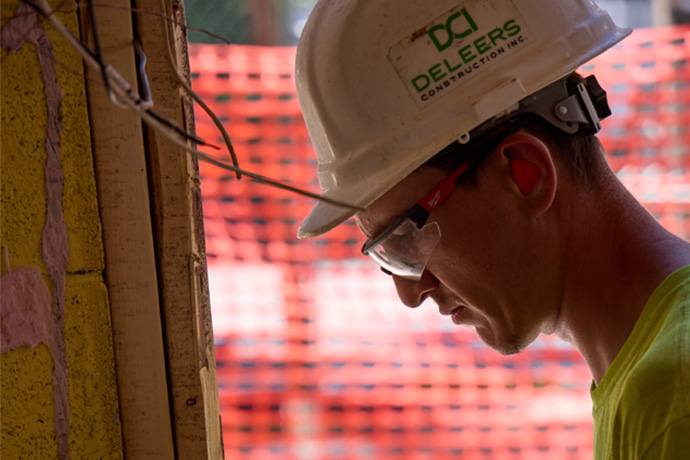
Professional site management includes consistent housekeeping, secure work zones, and strict safety protocols. These practices protect workers, staff, and visitors while also reducing delays caused by preventable incidents. Clean, organized job sites also tend to move more efficiently, which benefits both schedule and budget.
Step 6: Post-Project Review and Maintenance Planning
When construction wraps up, the building enters the next phase of its life, and planning remains important. A strong closeout process ensures owners understand their new systems and how to care for them.
Ensuring Long-Term Functionality and Value
A comprehensive walkthrough verifies quality, reviews performance, and confirms that the renovation meets the original project goals. Owners should receive warranties, manuals, and documentation that support ongoing operation. Clear guidance at the end of the project helps protect the investment for years to come.
How Regular Inspections Protect Your Investment
Preventative maintenance and periodic inspections keep systems performing as intended and reduce the likelihood of major failures. Addressing small issues early is significantly more cost-effective than reacting to emergencies later. A well-maintained renovation continues delivering value long after the project is complete.
Final Thoughts on Successful Renovation Planning
Successful commercial renovation is the result of preparation, communication, and partnership. It requires understanding where your building is today, defining where you want it to go, and working with a team that knows how to navigate the complexities in between.
Why Preparation and Partnership Make All the Difference
When owners approach renovation with a clear plan and a trusted team, the process becomes far more predictable and the results far more rewarding. A thoughtful renovation strengthens operations, enhances the user experience, and supports long-term business strategy. If you are considering a renovation, DeLeers Construction is ready to help you evaluate your options and create a plan that fits your goals. Together, we can build a space that works better today and continues adding value well into the future.
Message or call our experts at 920-347-5830 with any questions about hiring professionals for commercial construction projects!
- Share:
-

-

-

-


