
April 11, 2026
There's something powerful about a home that makes people want to gather. Where conversations happen naturally, kids do homework at the kitchen island while dinner's cooking, and guests linger long after the meal ends. That kind of home doesn't happen by accident. It's designed.
At DeLeers Construction, we've spent decades helping Wisconsin families build homes that look beautiful and truly work for the way people live. And increasingly, what people want most is a home that brings them closer together.
The Role of Design in Bringing People Together
A home is more than square footage and finishes. It's the backdrop to your family's daily life, and the layout, flow, and feel of your spaces quietly shape how you interact with each other every single day.
How Layouts Shape Everyday Interaction
Think about how often a closed-off kitchen keeps the cook isolated from the rest of the family. Or how a living room arranged entirely around a TV, rather than around conversation, changes the energy of the whole space. Architecture and interior layout are subtle but powerful forces.

Wide doorways and open sightlines encourage movement between rooms. A kitchen island with seating pulls people in. A covered porch with comfortable furniture becomes a second living room in warmer months. The best homes are designed with human connection in mind from the very first blueprint, thinking about traffic flow, sightlines, acoustics, and the placement of gathering spaces long before a single wall goes up.
The Growing Trend Toward Community-Focused Homes
For years, the dominant trend in home design was privacy and separation: formal dining rooms, closed kitchens, dedicated spaces for every activity. That's shifting. Today's homeowners are prioritizing togetherness, and it's influencing everything from floor plans to furniture choices.
Post-pandemic living accelerated this shift significantly. With more people working and schooling from home, families discovered quickly which spaces fostered connection and which felt isolating. The result is a growing demand for homes designed to bring people closer together, where families are actually living together rather than sharing a building.
Open-Concept Living and Its Benefits
Few design decisions have more impact on a home's social energy than the choice to open up the main living areas. Open-concept floor plans remain one of the most requested features in custom home builds, and for good reason.

Combining Kitchen, Dining, and Living Spaces
When the kitchen, dining area, and living room flow into one connected space, something shifts in how a family uses their home. The person cooking isn't cut off from the conversation. Parents can keep an eye on the kids while preparing dinner. Guests naturally drift toward the kitchen, which, as any host knows, is where the real party always ends up anyway.
This connected layout also makes smaller homes feel significantly larger. Removing walls opens up sightlines, allows natural light to travel deeper into the space, and creates a sense of flow that feels both generous and welcoming.
Balancing Openness with Comfort
Open-concept living does come with considerations. Sound travels more freely. Visual clutter becomes more noticeable. And not everyone wants to be on all the time in their own home.
The key is thoughtful design that achieves openness without sacrificing comfort. Strategic use of area rugs, furniture groupings, partial walls or columns, and varied ceiling heights can create distinct zones within an open floor plan, giving the kitchen its own identity, the dining area a sense of occasion, and the living room a feeling of coziness, all without closing them off from one another.
Good acoustic planning, through material choices, ceiling treatments, and soft furnishings, also goes a long way in making open spaces feel livable rather than loud.
Designing Functional Gathering Areas
Social homes are about intentionally creating spaces where people want to spend time, areas that invite gathering, conversation, and shared activity.
Island Seating, Conversation Corners, and Game Spaces
The kitchen island has become the heart of the modern home for good reason. With the right sizing and seating, it functions as a homework station, breakfast bar, casual dining spot, and party hub, all in one. When designing an island, we think carefully about height, overhang depth for comfortable seating, and positioning relative to the cooktop and sink so the cook can face the room rather than a wall.
Beyond the kitchen, dedicated conversation areas, with furniture grouped to face each other rather than all pointing at a screen, make a living room feel intentionally social. A well-placed game table, a reading nook built into a bay window, or a built-in banquette in the dining area all add layers of function that encourage people to slow down and stay a while.

Outdoor Living Extensions for Year-Round Enjoyment
In Wisconsin, outdoor living has its seasons, but with the right design, those seasons can be longer than you'd think. A covered porch or screened room extends usable outdoor time well into fall. A firepit patio creates a natural gathering spot on cooler evenings. Outdoor kitchens and dining areas make al fresco entertaining genuinely practical rather than a production.
When outdoor spaces are designed as true extensions of the home, connected visually and functionally through large sliding doors, consistent flooring materials, and thoughtful placement, they dramatically expand the home's social footprint. Some of our clients find that their porch or patio becomes their most-used room during the warmer months.
Choosing Materials and Lighting That Encourage Warmth

Layered Lighting and Natural Textures
A single overhead light source is the enemy of warmth. Layered lighting, combining ambient, task, and accent sources, gives you flexibility to set the right mood for any occasion. Recessed lighting for everyday function, pendants over the island for character, under-cabinet lighting in the kitchen for practicality, and table lamps or sconces in the living areas for a softer evening glow. Dimmer switches throughout the main living areas are a simple but transformative investment.
Natural textures, including wood, stone, linen, and wool, add visual and tactile warmth that painted drywall simply can't replicate. Exposed ceiling beams, a stone fireplace surround, hardwood floors, or a shiplap accent wall bring organic character to a space that makes it feel lived-in and welcoming from day one.
Using Color to Create Inviting Spaces
Color psychology is real, and it's worth thinking carefully about in gathering spaces. Warm neutrals, creamy whites, warm grays, soft taupes, and earthy terracottas create a sense of comfort and ease. Rich, deeper tones used as accents, like a navy island, a forest green accent wall, or warm wood cabinetry, add depth and personality without overwhelming.
Cool, stark whites and high-contrast palettes can feel sleek and modern, but in social spaces, warmth usually wins. The goal is a home that feels genuinely inviting and comfortable for the people inside it.
Multi-Use Rooms for Modern Lifestyles
Today's homes need to work harder than ever. A dedicated room for a single function is a luxury fewer families have room or budget for. The solution is a thoughtful multi-use design that lets spaces shift and adapt as life demands.
Flex Rooms for Work, Play, and Family Time
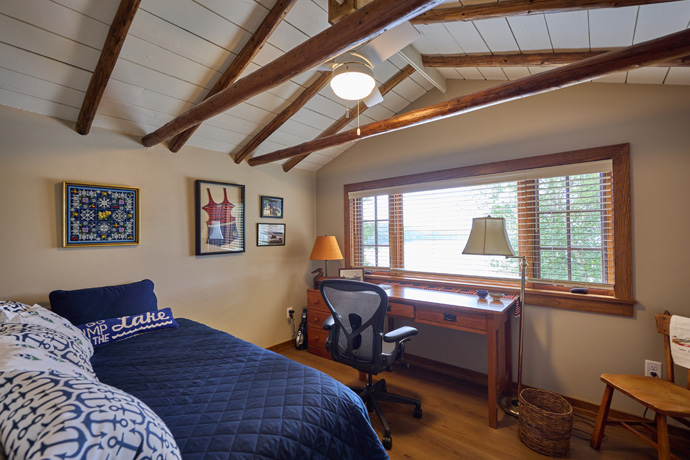
A flex room might be a home office during the workday, a homework room in the afternoon, a guest bedroom when family visits, and a hobby space on the weekends. Designing for this kind of flexibility requires thinking about built-in storage, door placement, natural light, and acoustic separation from the main living areas.
Murphy beds, built-in desks that tuck away, and modular shelving systems make flex rooms genuinely functional in every mode. When done well, a flex room adds real, usable square footage to a home without increasing its footprint.
Adaptable Furniture and Layouts
Beyond dedicated flex rooms, adaptable furniture throughout the home increases its social capacity. Extendable dining tables, ottomans that double as seating or storage, sectionals with movable pieces, and counter-height stools that tuck fully away when not needed all let your home expand and contract to meet the moment.
It's worth talking through furniture placement and scale early in the design process. A room that looks great in a rendering can feel cramped once the furniture is in, or too sparse to feel warm and inviting. At DeLeers, we walk through these conversations with our clients long before construction begins.
The Builder's Role in Creating Social Homes
A beautiful vision for a connected, social home only becomes reality through skilled execution and through a builder who listens as carefully as they build.
How Collaboration Turns Vision into Functionality
The difference between a home that works and one that merely looks good often comes down to the quality of collaboration between homeowner and builder. Great builders ask questions. They push back when a design choice might undermine a client's stated goals. They bring experience from dozens of previous builds to help clients anticipate things they haven't thought of yet, like how an open staircase will affect sound throughout the house, or why the placement of a particular wall matters more than it looks on paper.
Custom home building is a deeply collaborative process, and the homeowners who end up happiest are the ones who stay engaged throughout, at every decision point along the way.
The DeLeers Design Approach
At DeLeers Construction, we've been building custom homes in Wisconsin for over 40 years. What that experience has taught us is that no two families are alike, and no two homes should be either.
Our process starts with listening. We want to understand how you actually live: how you use your kitchen in the morning, how often you host, whether your kids need space to spread out, or whether the family tends to cluster together. From there, we help translate those real-life habits into a floor plan and design that supports them, grounded in how your family actually lives rather than how a home looks on paper.
We take pride in the details that make a home genuinely functional for the people inside it. Because at the end of the day, a beautiful home that doesn't work for your family isn't really what any of us are building toward.
Final Thoughts on Designing for Connection
Spaces That Bring People Closer Together
The homes people remember are the ones that feel warm. The ones where life seems to happen naturally in all the right places. Where the kitchen becomes the center of gravity, where the porch becomes a favorite room, where guests don't want to leave, and where family wants to come back.
That's the real goal of designing for connection: a home that quietly makes your daily life richer and brings your people together in all the right ways.
If you're thinking about building a custom home in Wisconsin and want to talk through what a connected, thoughtfully designed space might look like for your family, we'd love that conversation. Reach out to the DeLeers team. We've been building homes people love to live in for over four decades, and we'd be honored to help you build yours.
Message or call our experts at 920-347-5830 with any questions about hiring professionals to build your dream home!
- Share:
-

-

-

-


