
March 21, 2026
Few projects are as exciting as building a custom home. Instead of adapting your life to a house, you design a house around the way you want to live. You can shape everything from the floor plan to the finishes, the lighting, and the outdoor spaces.
At the same time, custom home construction involves many decisions and moving parts. Design choices, permitting, site conditions, and construction timelines all play a role in the process. When homeowners understand how the process works, the experience becomes far less stressful and much more enjoyable.
Knowing what to expect at each stage helps homeowners make informed decisions and stay confident as their home moves from blueprint to move-in day.
The Excitement and Complexity of Building Custom
Custom homes give homeowners the freedom to create a space that fits their daily routines, long-term plans, and design preferences. This level of personalization makes the process rewarding, though it also requires thoughtful planning.
How Custom Homes Differ from Traditional Builds
Production homes are built from a set of standard plans. Buyers often select finishes, appliances, or minor layout adjustments, but the overall structure remains the same.
Custom homes start with a blank slate. The layout, architectural style, and materials are designed specifically for the homeowner and the property. This flexibility allows families to prioritize what matters most to them.
For example, many modern homeowners prioritize flexible spaces. A room may function as a home office today and a guest suite later. Others design kitchens that connect directly to outdoor patios for entertaining. These choices shape how the home supports everyday life.
Another advantage of custom design is energy efficiency. Builders can incorporate high-performance windows, better insulation, and modern HVAC systems during planning. These upgrades can reduce long-term utility costs and improve comfort throughout the home.
Why the Right Partner Makes All the Difference
A custom home build involves architects, designers, engineers, contractors, and inspectors. Coordinating these professionals requires experience and clear communication.
A skilled builder helps homeowners navigate decisions without becoming overwhelmed. They can explain construction timelines, identify potential cost risks, and recommend materials that perform well over time.
Step 1 – Planning and Vision Development
Turning Inspiration into a Realistic Design
Many homeowners begin with inspirational images, saved floor plans, or photos of homes they admire. These ideas help define the overall architectural direction.
During early planning meetings, builders and designers review these ideas and translate them into practical solutions. Factors such as lot size, property slope, sun exposure, and local zoning regulations influence the final design.
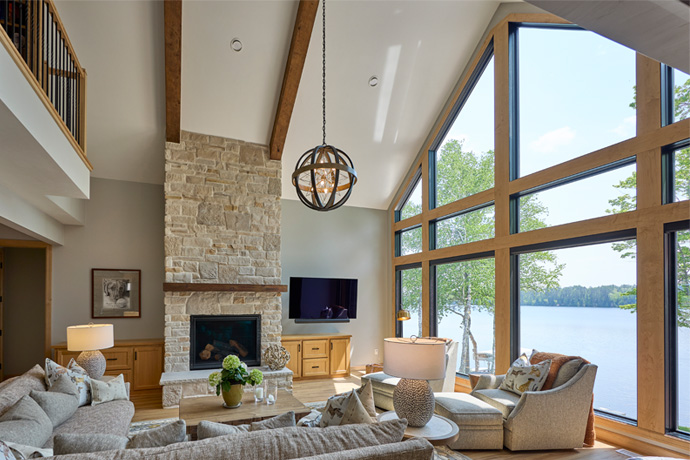
For example, placing large windows on the south side of the home can increase natural light during winter months. Proper roof overhangs can help control summer heat. These small design strategies improve comfort and energy performance.
Budgeting and Selecting the Right Materials
A clear budget helps guide decisions from the start. Construction costs depend on many factors, including the size of the home, structural complexity, site preparation, and material selections.
Experienced builders help homeowners prioritize where to invest. Structural elements, mechanical systems, and durable materials often deliver the greatest long-term value.
For example, investing in high-quality windows and insulation can reduce heating and cooling costs for decades. Durable exterior materials also reduce maintenance and protect the home from weather exposure.
Step 2 – Design and Blueprint Phase
Working with Architects and Builders
Architects transform ideas into detailed drawings that show room layouts, structural systems, and building dimensions. Builders review these plans and provide practical feedback based on construction experience.
This collaboration improves efficiency. Builders may suggest structural adjustments that simplify construction or recommend materials that perform better in the local climate.
Reviewing Layouts and Approvals
Blueprints include detailed floor plans, elevations, and engineering specifications. These plans guide every stage of the building process.
Homeowners review the layout carefully before final approval. This is the time to confirm that storage areas, circulation paths, and room proportions meet expectations. Local municipalities also review plans to ensure compliance with zoning regulations and building codes.
Step 3 – Construction and Quality Control
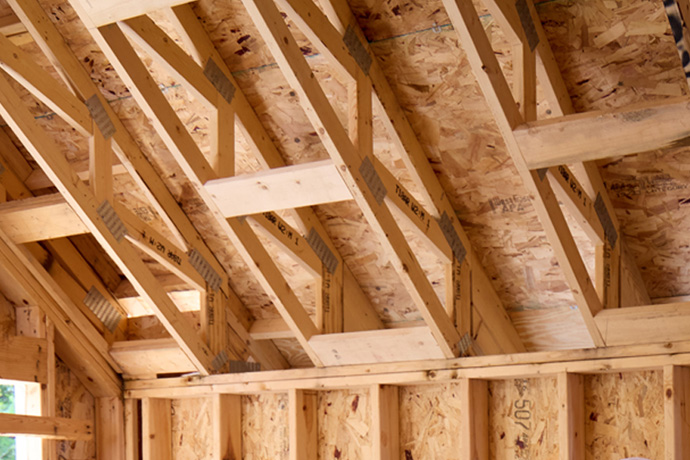
Site Prep, Framing, and Structural Work
Construction starts with site preparation and foundation installation. Crews prepare the property, establish proper drainage, and pour the foundation that supports the structure. Framing follows and defines the shape of the home. Walls, floors, and roof systems are constructed during this stage. Many homeowners find this phase exciting because the layout becomes visible for the first time.
Mechanical systems such as plumbing, electrical wiring, and HVAC equipment are installed next. These systems play a major role in the comfort and functionality of the home. Quality builders perform regular inspections during this stage to ensure structural integrity and proper installation.
Interior Finishes and Custom Details
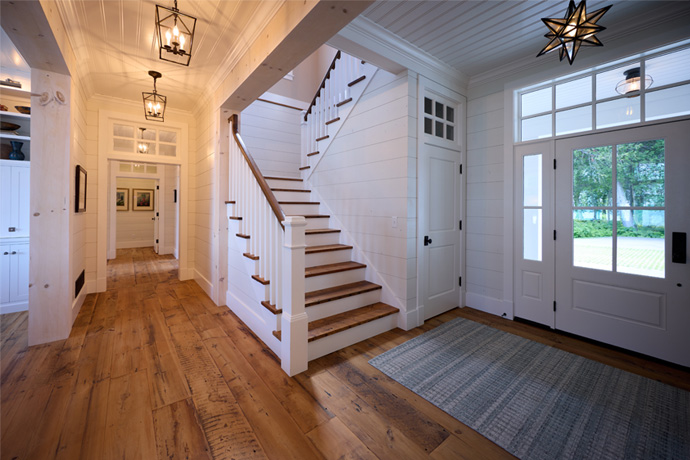
After structural systems are installed, attention turns to interior finishes. Drywall, flooring, cabinetry, lighting, and trim bring the home to life. This phase is where many personal design choices appear. Custom millwork, built-in shelving, specialty tile, and unique lighting fixtures add character and personality.
Step 4 – Inspections and Final Walkthrough
Ensuring Every Detail Meets Expectations
Inspectors review structural systems, electrical installations, plumbing systems, and safety features such as smoke detectors and stair railings. These inspections confirm that the home meets current building standards and performs as designed.
After inspections, homeowners complete a final walkthrough with the builder. This meeting allows them to review finishes, test appliances, and identify any small adjustments that may be needed.
The DeLeers Commitment to Craftsmanship
At DeLeers Construction, craftsmanship and attention to detail guide every stage of the building process. Careful planning, experienced tradespeople, and strong project management help ensure that each home meets high standards of quality.
Step 5 – Move-In and Post-Project Support
Warranty, Maintenance, and Long-Term Care
Well-built homes require ongoing care to maintain performance. Builders typically provide warranties that cover structural elements and major systems. Homeowners also receive guidance on maintenance tasks such as HVAC servicing, gutter cleaning, and seasonal inspections.
Making Your House Feel Like Home
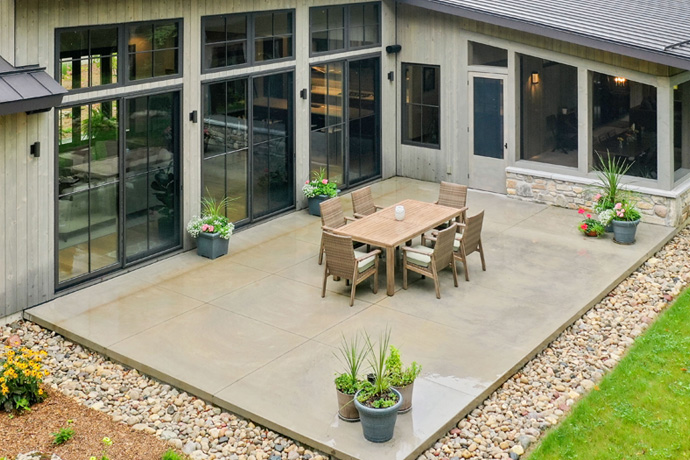
Once furniture, artwork, and landscaping are added, the home begins to reflect the homeowner’s personality even more. Outdoor spaces, garden areas, and lighting features often complete the living experience.
Final Thoughts on Building a Custom Home
Confidence Comes from Collaboration
Homeowners gain confidence when they work with experienced professionals who guide each step of the process. Strong communication and detailed planning keep projects organized and efficient.
Thinking about building a custom home? Connect with DeLeers Construction to start a conversation about your vision and learn how thoughtful design and expert craftsmanship can bring your dream home to life.
Message or call our experts at 920-347-5830 with any questions about hiring professionals to build your dream home!
- Share:
-

-

-

-


