
October 17, 2026
Why Paint Quality Affects More Than Looks
Paint is the home's first layer of protection. On the exterior, a sound coat keeps moisture out of siding and trim, which matters in a climate with freeze-thaw cycles. Inside, a quality finish resists scuffs and washes clean, so walls stay fresh longer.
Quality shows up in three places: the product, the surface preparation beneath it, and the application. Skimping on any one of them shortens the life of the whole job, and that is why our painting services put as much attention into prep as into the final coat.
Projects That Make Sense as DIY
Some jobs reward a patient homeowner with a free weekend and a modest budget:
Single rooms at standard ceiling height: Bedrooms, offices, and nurseries with walls in good condition.
Accent walls: A small area where a bold color can transform a room.
Touch-ups and furniture: Scuffs, doors, and small pieces that suit a slower pace.
Basic trim in good condition: A quick refresh with a light sanding and fresh coat.
A good DIY result depends on preparation. Fill holes, sand glossy areas, clean the walls, tape carefully, and prime any patches or color changes.
If you're looking for more starting points, our post on small home renovations you can do in a weekend offers practical ideas.
One firm rule applies to older homes: any house built before 1978 may contain lead-based paint, and sanding or scraping it creates hazardous dust. Test first, and bring in a certified professional if the test is positive.
Projects That Call for a Professional Crew
Exterior Painting and Surface Prep
Exterior work involves ladders or scaffolding, weather windows, and a lot of preparation. Most acrylic exterior paints call for air and surface temperatures around 50°F or higher, though some formulas allow application down to roughly 35°F, so the season for quality results is shorter than many homeowners expect.
Peeling areas need scraping, bare wood needs priming, failing caulk needs replacing, and rot needs repair before any color goes on.
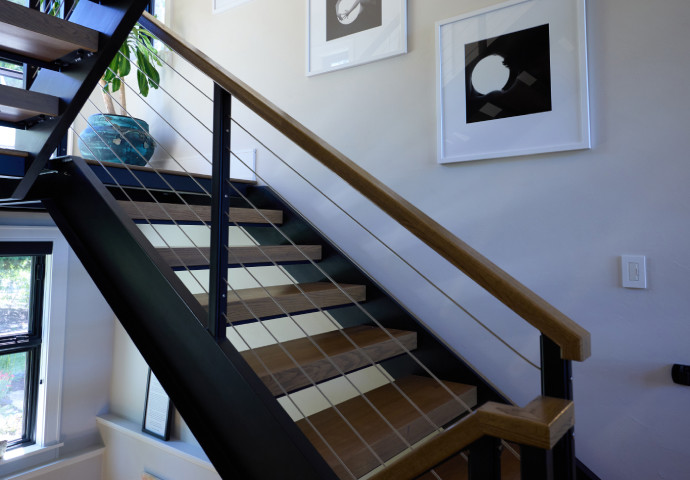
High Ceilings, Stairwells, and Trim Work
Tall walls, two-story entries, and stairwells bring safety concerns and equipment needs that go beyond a typical homeowner's setup. Detailed trim, crown molding, and window casings reward steady hands, since crisp lines make the difference between a finished look and a rushed one.
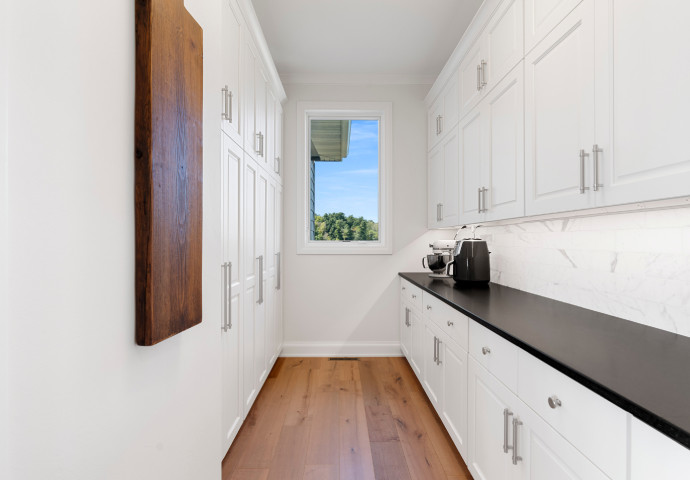
Cabinet and Specialty Finishes
Cabinets take daily abuse from hands, moisture, and cooking, so a durable finish depends on thorough degreasing, scuff sanding, a bonding primer, and a cabinet-grade enamel, followed by a proper cure time. Specialty finishes such as cabinet lacquer, stained woodwork, faux finishes, and textured walls also benefit from a trained applicator.
How Professionals Prep a Surface
Preparation accounts for most of a paint job's lifespan, and a thorough crew follows a consistent sequence:
Protect the space: Cover floors, furniture, landscaping, and fixtures.
Clean: Wash exteriors and degrease kitchens, baths, and cabinets so paint bonds fully.
Repair: Scrape loose paint, fill holes and cracks, replace damaged caulk, and address rot or moisture sources.
Sand: Smooth repaired areas and dull glossy surfaces for adhesion.
Prime: Seal bare wood, stains, and patched areas, and use a bonding primer on slick surfaces.
Apply: Brush, roll, or spray in the right conditions, with enough coats for full coverage and a uniform sheen.
How Often Interior and Exterior Paint Should Be Redone
These ranges serve as general guidance, since exposure, materials, and product quality all influence results:
Exterior siding and trim: Roughly every 5 to 10 years, with sun-facing walls and wood surfaces aging sooner, and fiber cement or well-maintained surfaces often lasting longer.
Living rooms and bedrooms: Every 5 to 10 years, depending on use.
Kitchens, baths, hallways, and kids' rooms: Every 3 to 5 years, since these areas see more moisture, traffic, and cleaning.
Cabinets and trim: Every 7 to 10 years, or whenever the finish begins to wear.
Fading, chalking, peeling, cracked caulk, and stains that scrubbing no longer removes all signal that a repaint is due. Scheduling a seasonal check as part of your regular home maintenance helps you catch these signs before they lead to repairs.
What to Expect From a Professional Painting Estimate
A clear estimate gives you a basis for comparing proposals fairly. Look for these details:
Scope: Which surfaces, rooms, and trim are included, and how many coats of paint.
Prep work: The specific steps for scraping, repairs, priming, and caulking.
Products: Brand, line, and sheen for paint and primer.
Timeline: Start date, expected duration, and how weather affects exterior work.
Protection and cleanup: How the crew covers your home and leaves the site.
Warranty and insurance: Coverage on workmanship, along with proof of liability insurance.
Every home is different, so an on-site visit gives the most accurate number. You can request a painting estimate or call DeLeers Construction at 920-347-5830, and our team will walk through your project and recommend the approach that fits your home and budget.
Message or call our experts at 920-347-5830 with any questions about hiring professionals to build your dream home!
- Share:
-

-

-

-


