
January 07, 2026
Sustainability in commercial construction is a strategic business decision. Owners today want buildings that perform better, cost less to operate, and hold their value over time. At the same time, communities and tenants expect responsible development. When we build sustainably, we’re shaping a future that is healthier, smarter, and built to last.
Why Sustainable Building Matters More Than Ever
The Business Case for Green Construction
When we evaluate projects through a lifecycle lens, sustainable choices often prove to be the more financially prudent decision. Energy-efficient systems reduce monthly overhead—high-quality materials lower maintenance. Thoughtful design increases functionality and longevity. Buildings that are efficient, comfortable, and well-designed also tend to retain tenants longer. Vacancy goes down, while long-term value goes up.
Environmental Responsibility Meets Financial Value
Responsible construction is not about giving something up. It is about designing buildings that perform at a higher level while using fewer resources. The same choices that cut waste, conserve energy, and protect the environment often lead to better comfort, improved durability, and lower operating costs over time.
In other words, sustainability works because the goals are aligned. What is good for the building and the people inside it is often good for the planet as well.
The triple bottom line is a framework that measures success through three lenses: people, planet, and profit. Instead of focusing only on financial returns, it asks businesses to also consider how their decisions impact communities and the environment. Companies that follow the triple bottom line aim to operate responsibly, create long-term value, and leave the world better than they found it, not just generate earnings.
Energy Efficiency That Pays Off Long Term
Energy is one of the highest ongoing costs for any commercial building. Strategic upgrades can produce measurable, compounding returns.
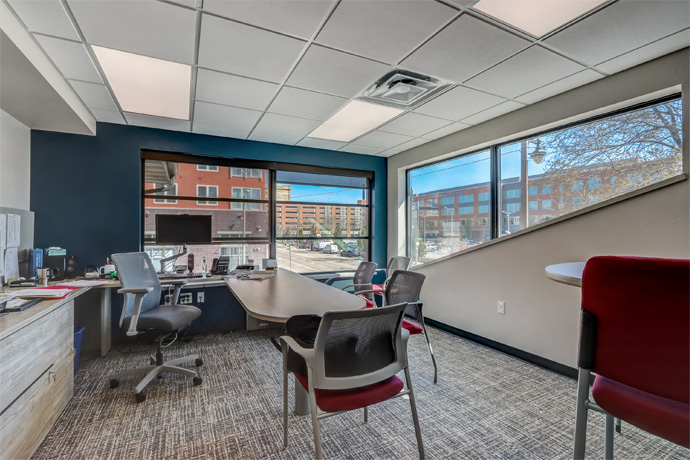
HVAC, Lighting, and Insulation Upgrades
Modern HVAC equipment, LED lighting, and well-insulated building envelopes significantly reduce wasted energy. Layer in smart controls, occupancy sensors, and daylight optimization, and you create systems that adapt to how the building is actually used.
The result is lower utility bills and better comfort for occupants. In many cases, upgrades pay for themselves within several years through operational savings.
The ROI of Smart Energy Systems
Smart monitoring systems allow owners to see exactly where energy is going. Real-time data highlights inefficiencies before they become expensive problems. Predictive maintenance tools help catch equipment issues early.
Commissioning and re-commissioning also play a major role. Verifying that systems are installed and calibrated correctly can unlock performance gains without major reconstruction. That insight turns a building into a performance asset instead of a reactive expense.
Sustainable Materials That Stand the Test of Time
Choosing your materials impacts durability, indoor air quality, and environmental footprint.
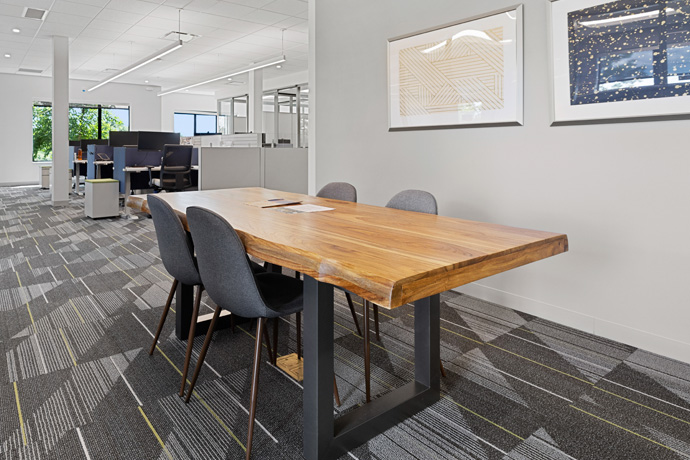
Recycled, Renewable, and Low-VOC Options
Options like recycled steel, reclaimed wood, and renewable materials like bamboo help conserve natural resources. Low-VOC paints and adhesives improve indoor air quality, which is especially important in offices, schools, and healthcare environments.
Selecting the right materials early helps simplify long-term maintenance. The building needs fewer replacements, generates less waste, and maintains more predictable costs over time.
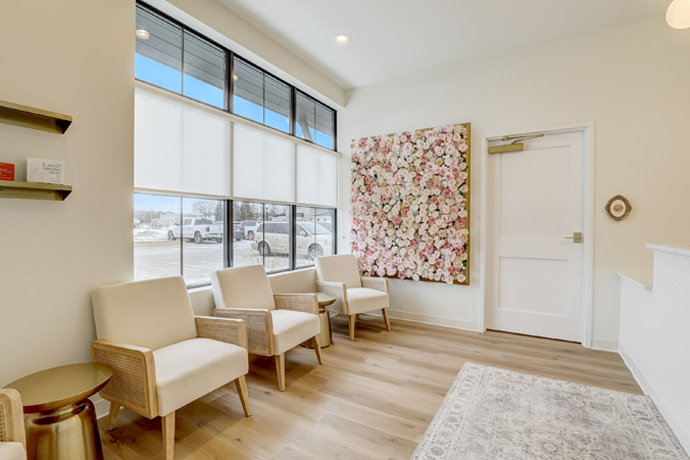
Balancing Aesthetics with Durability
At DeLeers, we look for materials that look great and hold up to decades of real-world use. Sustainable choices should not be fragile or high maintenance. The ideal solution performs well, resists wear, and reduces replacement cycles over time.
Certifications and Standards That Add Credibility
Certifications help measure results and provide external validation.
LEED, WELL, and Energy Star Explained
LEED focuses on environmental performance across the entire lifecycle of a project, from design through construction and into operation. It looks at things like energy use, water conservation, material selection, waste reduction, and site impact, then awards certification levels based on how well the project performs in each category.
WELL evaluates how building design supports the health and wellness of the people inside. It measures factors such as air quality, natural light, acoustics, movement, mental well-being, and access to healthy materials and amenities. Buildings that perform well create spaces where occupants feel better and can work more comfortably and productively.
Energy Star verifies that a building is operating with strong energy efficiency compared to similar buildings nationwide. It uses real performance data, not just design projections, which helps owners see how their systems are truly performing in day-to-day use and where improvements could reduce costs.
Together, these frameworks give owners structure, accountability, and meaningful benchmarks.
Why Compliance Benefits Brand Image
Certified buildings signal real leadership. Tenants, employees, and investors increasingly view sustainability as proof of quality, stewardship, and long-term thinking. Certification shows that a company is willing to be measured, to meet rigorous standards, and to invest in the future. In competitive markets, credibility can influence leasing decisions, attract talent, and become the deciding factor when stakeholders compare one property to another.
Integrating Sustainability Into Design from Day One
The most cost-effective sustainability decisions happen early in design.
Early Collaboration Between Architects and Builders
When architects, engineers, and builders collaborate from the start, sustainability becomes integrated instead of added on. Site orientation, structural systems, mechanical strategies, and materials all work together toward performance goals.
This eliminates costly redesigns and ensures that efficiency is built into the core of the project.
How DeLeers Embeds Sustainability in Every Project
Our role is to guide owners through choices that truly matter. We evaluate durability, maintenance needs, lifecycle cost, and operational performance. We walk through incentive opportunities, rebates, and financing programs that can offset initial costs. We help determine where upgrades will deliver the strongest returns.
When Green Design Becomes a Competitive Advantage
Sustainable buildings often lease faster and retain tenants longer.
Attracting Tenants and Enhancing Brand Reputation
Organizations want spaces that reflect their values, support employee health, and help control operating costs. Green design gives owners a compelling story to tell. It signals future-focused thinking and strong operational stewardship.
Final Takeaways for Smart Sustainable Investments
Not every project needs every possible green feature. The smartest approach is strategic.
Focusing on High-Impact, Long-Term Solutions
Prioritize investments that deliver performance, savings, and durability, such as:
-
Energy-efficient mechanical systems
-
Quality insulation and building envelopes
-
Smart controls and monitoring
-
Responsible, long-lasting materials
-
Certification pathways that add credibility
-
Ongoing commissioning to maintain performance.
If you are planning a new facility or considering upgrades to an existing space, our team at DeLeers Construction can help you evaluate where sustainability will create the most value. We would be glad to walk through options, budgets, and practical next steps.
Message or call our experts at 920-347-5830 with any questions about hiring professionals to build or renovate the commercial space of your dreams!
- Share:
-

-

-

-


