
December 17, 2025
A productive office is never an accident. Every high-performing workspace is shaped by how people think, feel, move, and interact inside it. The way a workspace is designed can lift energy, improve focus, and strengthen collaboration. It can also influence mood, reduce stress, and increase motivation throughout the workday.
At DeLeers Construction, we combine craftsmanship with research-backed design principles to help companies create offices that support both business goals and employee well-being.
How Office Design Influences Performance
The Science Behind Workspace Productivity
Environmental psychology and workplace research show that surroundings have a measurable effect on cognitive performance. Everything in an office, from lighting to acoustics to layout, influences how easily people concentrate.
A well-designed workspace reduces distractions, regulates stress, and improves mental clarity. These changes may seem subtle, but they directly affect performance, decision-making, and overall productivity.
How Environment Shapes Employee Behavior
Human behavior adapts to the environment around it. An organized and beautifully designed workspace encourages better habits. Employees are more likely to stay engaged, collaborate intentionally, and use spaces as they were designed.
A thoughtful environment signals that the company values comfort and efficiency. This encourages employees to reciprocate with higher engagement and more consistent performance.
Designing for Focus and Collaboration
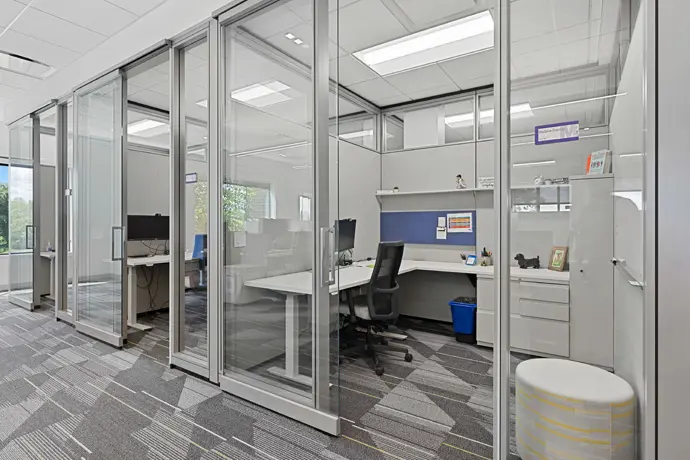
Balancing Quiet Zones with Open Areas
Modern offices function best when they offer choice. Some tasks require deep focus and low noise. Others benefit from conversation, teamwork, and rapid problem-solving. A productive office blends quiet work zones with open collaborative areas.
Quiet areas often include acoustic treatments, privacy panels, and soft materials that absorb sound. Collaborative areas usually feature flexible seating, open layouts, and tools that make teamwork easier. Balance is key, and both zones must work together seamlessly.
Creating Purpose-Driven Spaces
Every space in the office should serve a clear purpose. This includes meeting rooms sized appropriately for team needs, brainstorming zones with creative tools, quiet booths for private calls, and open lounges that support informal conversations.
The Role of Natural Light and Biophilic Design
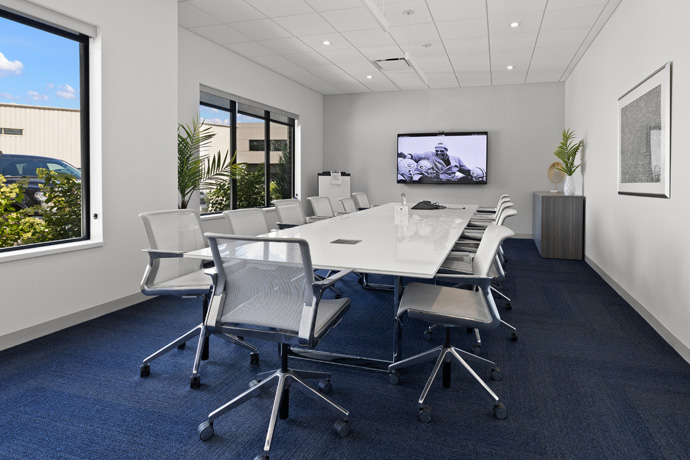
Boosting Mood and Reducing Stress
Natural light is one of the most powerful productivity tools in workplace design. It improves circadian rhythm, reduces fatigue, and increases overall well-being. Employees working in naturally lit environments tend to feel more energized and experience lower stress levels during the day.
Incorporating Plants and Natural Elements
Biophilic design incorporates nature into the built environment. This includes indoor plants, natural materials, living walls, water features, and outdoor views. These elements create a calming atmosphere that supports focus and reduces mental strain.
Nature fosters creativity, improves air quality, and brings a sense of balance into daily work routines. Even small touches, such as wood textures or stone accents, help make the workspace feel more grounded and inspiring.
Using Color and Texture to Influence Energy

How Warm vs. Cool Colors Affect Mindset
Color psychology plays a powerful role in shaping workplace energy. Warm colors such as terracotta or muted gold can create an inviting and uplifting environment. Cool tones such as soft blues or greens support clarity, focus, and calm.
The right palette depends on how the space will be used. High-energy collaboration zones may benefit from warmer, more vibrant hues. Focus-driven areas often work best with cool, balanced tones that reduce distraction and support concentration.
Material Choices That Promote Calm and Focus
Texture affects the emotional tone of a room. Smooth materials with subtle finishes help maintain a clean and modern look. Soft textiles, wood, and matte surfaces introduce warmth and help employees feel comfortable.
Ergonomics and Comfort in the Modern Office
The Impact of Movement and Posture
Comfort has a direct impact on productivity. Ergonomic design reduces physical strain, supports healthy posture, and allows employees to work for longer periods without discomfort. Adjustable chairs, sit-to-stand desks, and layouts that encourage movement throughout the day help prevent fatigue and support better focus.
Ergonomics also reduces the risk of injuries that can come from repetitive tasks or unhealthy seating arrangements.
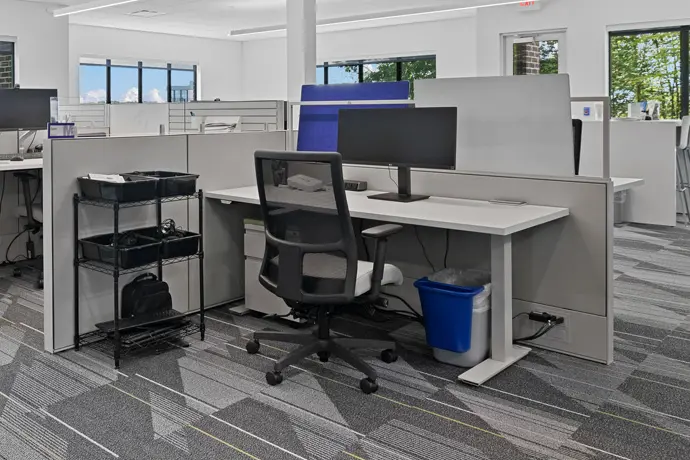
Furniture and Layout That Support Well-Being
The best office furniture blends comfort with functionality. This includes supportive chairs, height-adjustable workstations, adaptable meeting tables, and lounge seating for informal teamwork. Layouts should allow for easy circulation and access to resources.
Designing for Company Culture and Identity
Reflecting Brand Values in the Workspace
A productive office reflects the company behind it. The design should communicate brand values, personality, and mission. This can include color palettes that align with branding, materials that match the company's tone, and architectural elements that tell the story of who the organization is.
How Design Fosters Belonging and Creativity
Design influences how connected employees feel to one another. Comfortable shared spaces, creative zones, and welcoming layouts support informal interactions and stronger relationships. When a workspace encourages connection, employees feel like they belong.
This sense of community increases creativity, collaboration, and overall morale. Thoughtful design also builds a sense of ownership in the workspace, which motivates people to take care of their environment.
Final Thoughts on Productive Office Design
Why Thoughtful Spaces Create Better Work Outcomes
A well-designed office supports productivity, reduces stress, and helps employees perform at their best. It blends science with craftsmanship and aligns functionality with comfort. When companies invest in intentional workspace design, they invest in their people.
DeLeers Construction specializes in creating offices that elevate performance and support long-term success. With the right environment, employees feel better, work smarter, and build stronger connections throughout the day.
Ready to build your dream home? Contact us to bring your dreams to life.

- Share:
-

-

-

-


