
July 19, 2026
Wisconsin winters don't leave much room for error. When temperatures drop well below freezing for weeks at a time, your home's insulation and windows become the front line between comfort and discomfort, between manageable energy bills and painful ones. If you're renovating an existing home or planning a custom build, getting these two systems right is one of the most valuable investments you can make.
Why Insulation and Windows Matter in Cold Climates
Insulation and windows work together as a single system. One without the other creates weak points that undermine the whole home's performance. A well-insulated wall paired with an outdated window still lets heat escape. A high-performance window installed in a poorly insulated wall still leaves you with cold spots and drafts.
For Wisconsin homeowners, treating these as a unified strategy, rather than separate line items, is what separates a home that performs well from one that fights you all winter.
Comfort, Condensation, and Energy Costs
Poor insulation and inefficient windows show up in three ways: uneven room temperatures, condensation buildup on glass and window frames, and heating bills that climb every year regardless of how careful you are with the thermostat. Condensation deserves particular attention here. Warm, moist indoor air meets a cold window surface and condenses. Over time, that moisture can lead to mold growth, wood rot, and damaged trim. Addressing insulation and window quality protects the long-term integrity of your home.
Types of Insulation Explained
Insulation performance varies by material. The right choice depends on where it's going and what problem you're trying to solve.
Fiberglass and Cellulose
Fiberglass batts remain a common choice for walls and attics because they're cost-effective and widely available. Cellulose, made from recycled paper treated with fire retardant, offers strong coverage in existing walls without major demolition, since it can be blown into cavities.
Both perform well when installed correctly. Both are also vulnerable to gaps and compression, issues that reduce their effectiveness significantly when installation lacks precision.
Spray Foam and Rigid Foam
Spray foam insulation creates an airtight seal as it expands, making it especially effective in irregular spaces, rim joists, and areas prone to air leakage. It carries a higher upfront cost but delivers superior performance in Wisconsin's climate, where air infiltration is often the biggest culprit behind cold rooms.
Rigid foam board, often used on exterior walls or basement applications, adds a continuous layer of insulation that reduces thermal bridging, a benefit fiberglass alone can't match. If long-term efficiency is a priority for your project, it's worth reading through our thoughts on building a sustainable home.
Selecting Energy-Efficient Windows
Windows are where many Wisconsin homeowners see the fastest, most noticeable improvement after a renovation or new build. We've covered the fundamentals before in our guide to choosing the right windows for your home, but the short version for cold climates comes down to pane count, coatings, and proper installation.
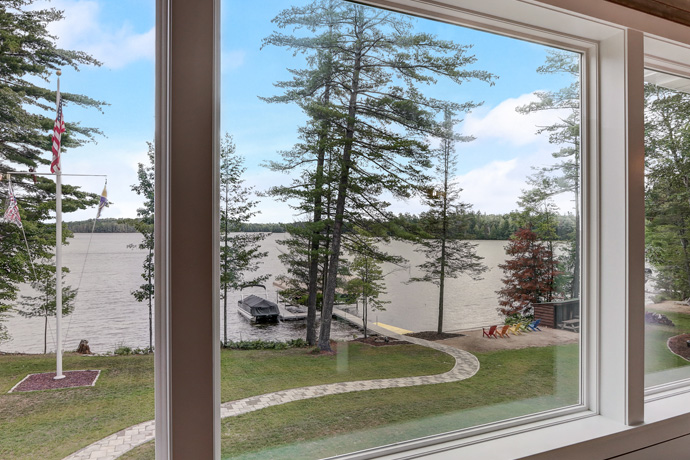
Double vs. Triple Pane
Double-pane windows are the standard in most homes and offer a solid baseline of efficiency. Triple-pane windows add a third layer of glass and an additional insulating gas fill, which meaningfully reduces heat loss in extreme cold.
For homes in Wisconsin, especially those in northern parts of the state, the added upfront cost of triple-pane windows often pays for itself through lower heating bills and noticeably fewer drafts near window seating areas.
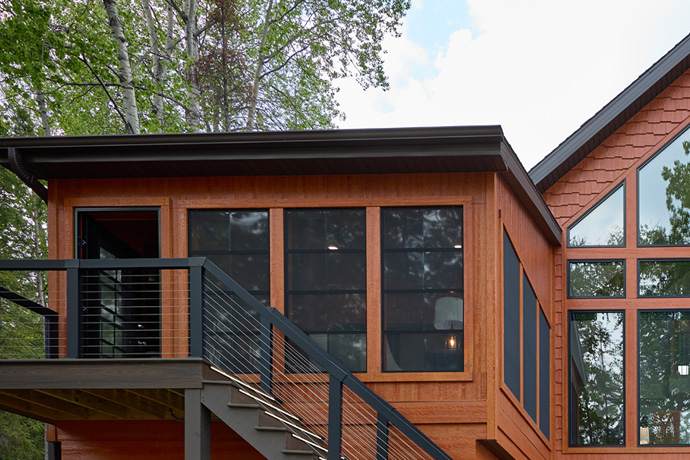
Low-E Coatings and U-Factors
Low-emissivity, or Low-E, coatings are a microscopically thin layer applied to glass that reflects heat back into the home during winter while blocking excess solar heat in summer. Paired with a strong U-factor rating, which measures how well a window prevents heat from escaping, Low-E glass is one of the most cost-effective upgrades available.
When comparing window options, U-factor should be one of the first specifications you check, right alongside price.
Installation Tips and Common Mistakes
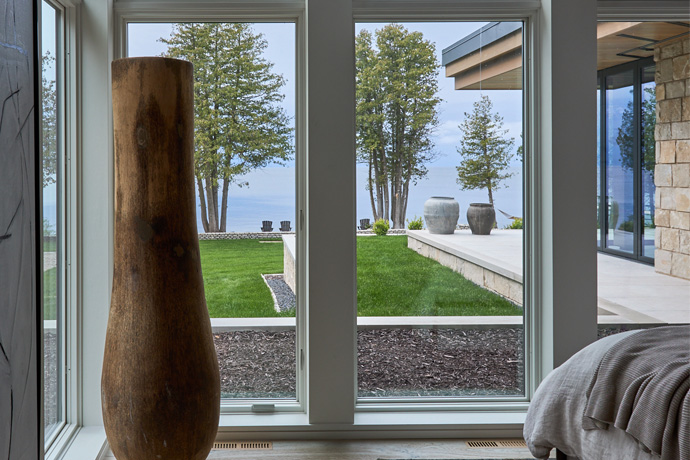
Air Sealing and Thermal Bridging
Even premium insulation and top-tier windows underperform when installation is rushed. Air sealing around window frames, electrical outlets, and where walls meet floors or ceilings prevents warm air from escaping through hidden gaps.
Thermal bridging happens when heat travels through framing materials that lack insulation, like studs or headers. This is another common oversight. Addressing both during installation is far more effective and far less costly than retrofitting later.
Balancing Budget and Performance
Every home has different needs, and the highest-end option in every category isn't always necessary. The right approach starts with identifying where your home is losing the most heat, then prioritizing upgrades that address those specific weak points first.
A thoughtful combination – spray foam in high-leak areas, quality fiberglass elsewhere, and triple-pane windows on north-facing rooms, for example – often delivers better results than a one-size-fits-all approach, without stretching your budget further than it needs to go.
Next Steps
Insulation and windows deserve a plan, never a guess. They're systems that need a strategy built around your home's specific layout, orientation, and age.
If you're planning a renovation or custom build and want a clear, honest assessment of what your home actually needs to perform well through a Wisconsin winter, DeLeers Construction is here to help. Reach out to our team, and let's talk through what makes sense for your home and your budget.
Message or call our experts at 920-347-5830 with any questions about hiring professionals to build your dream home!
- Share:
-

-

-

-


