
May 17, 2026
Many homeowners eventually find themselves in a house that no longer functions the way they need it to. The kitchen may feel closed off, storage may be limited, major systems may be aging, or the overall layout may simply reflect a different time and lifestyle.
When those issues begin to stack up, the decision often becomes larger than a few isolated updates. Homeowners are left weighing an important investment question: Does it make more sense to renovate extensively, or put that money toward building new?
This is often framed as a cost question, but the smarter lens is long-term return. Which option
gives you the strongest value in terms of equity, performance, functionality, and years of reduced maintenance? In Wisconsin, where older housing stock, premium lots, and harsh seasonal weather all factor in, the answer depends heavily on what you are starting with.
Understanding ROI: Renovate or Build
Homeowners often think of ROI as resale value alone, but that is too narrow for a project of this size. A six-figure renovation or custom home build should also be measured by what it saves you from later: poor energy efficiency, repeated repairs, inefficient layouts, and expensive updates done in phases.
A well-planned renovation can create an excellent return when the home already has a strong structural base and a desirable location. You are improving an asset that already holds value.
But there is a point where renovation dollars start going toward correction instead of improvement. If a large share of the budget is spent fixing hidden plumbing, electrical, insulation, moisture, or framing problems, the visible payoff gets smaller fast. Homeowners can spend substantial money and still be left with a house that fundamentally functions like an older home.
That is where building new often creates a better return. Instead of paying to work around inherited limitations, you are paying for a home designed correctly from the start.
ROI vs. Lifestyle Value
There is also a practical side of ROI that spreadsheets do not capture well: how the home lives every day.
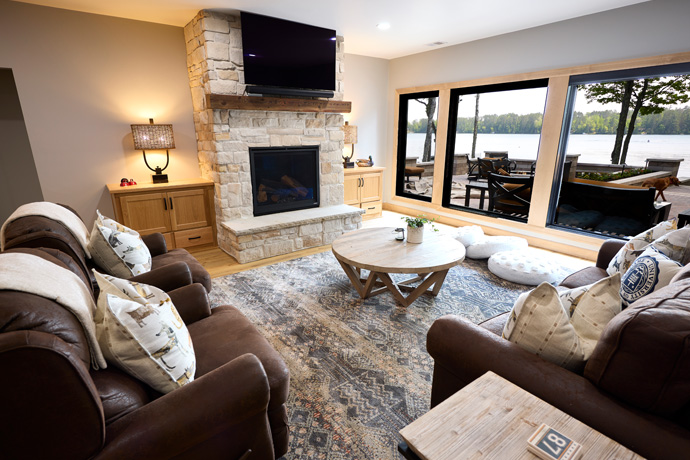
A house with better storage, natural light, efficient gathering spaces, updated mechanicals, and lower maintenance costs delivers value long after construction ends. The reason many homeowners choose high-end renovation or custom building is not only to increase resale potential, but to eliminate the daily friction their current house creates.
That matters because cosmetic updates alone do not solve structural frustrations. A beautiful kitchen inside a poorly flowing house still leaves homeowners working around the same problems.
Cost Factors That Influence Return
The stronger investment usually becomes clear once three things are evaluated: the lot, the structure, and the operating efficiency of the home.
Location and Land Value
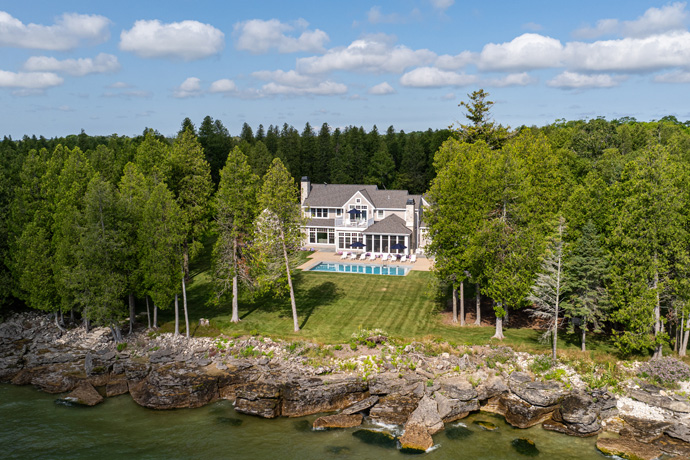
Location can make renovation the obvious winner. If the home sits on waterfront, acreage, a wooded lot, or in an established neighborhood where land is limited, preserving that property has real financial value. Buying comparable land elsewhere and starting over may cost far more than homeowners assume.
This is common throughout Wisconsin, especially in areas where privacy, views, or mature lots are difficult to replicate.
Structural Condition and Complexity
The next question is whether the house has enough structural integrity to justify a major investment. Homes with solid foundations, quality framing, and a footprint flexible enough for redesign are strong renovation candidates. The budget can go toward meaningful lifestyle upgrades instead of reconstruction.
The opposite is also true. Once a remodel uncovers failing systems, moisture damage, poor insulation, uneven floors, or prior low-quality additions, renovation costs rise quickly. At that point, homeowners are no longer paying primarily for luxury improvements. They are paying to stabilize an aging structure before the improvements can even begin.
Energy Performance and Operating Costs
This is a major factor in Wisconsin and one that homeowners often underestimate. Older homes routinely carry higher monthly heating and cooling costs because they were not built to modern efficiency standards. Drafty windows, weak insulation, aging HVAC systems, and poor air sealing create a constant operating penalty.
A renovation can improve some of this, but a custom build allows the entire home envelope and mechanical system to be designed for efficiency from day one. Over ten or twenty years, those savings become part of the ROI conversation.
When Renovation Makes Sense
Renovation makes the most sense when the house already offers something difficult to replace.
A prime lot is one example. Architectural character is another. Many older Wisconsin homes have stonework, timber detailing, or exterior charm that homeowners do not want to lose and that new construction often struggles to replicate authentically.
Renovation is also the right path when the house can physically support the desired updates. If walls can move, additions can integrate well, and systems can be modernized without gutting the entire structure, the homeowner gets to preserve the best parts of the property while fixing what no longer works.
When Building New Is Better
Building new becomes the better investment when the house is fighting with you at every level. Some floor plans simply do not adapt well. Low ceilings, compartmentalized rooms, awkward circulation, undersized utility areas, or foundational concerns can turn renovation into an expensive series of compromises.
In those situations, homeowners often spend heavily and still end up designing around limitations.
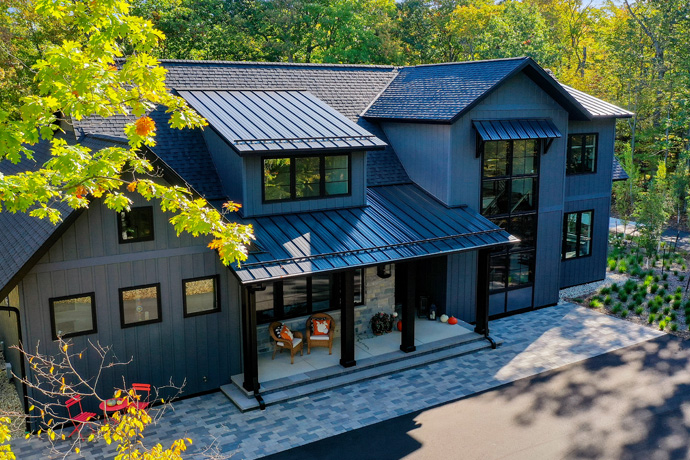
A custom build removes that issue. Every square foot is intentional. Storage, lighting, traffic flow, insulation, mechanical systems, entertaining spaces, and long-term accessibility are built into the home rather than patched in.
There is also the maintenance factor. New roof, new plumbing, new HVAC, new electrical, new windows, new insulation. For homeowners planning to stay for years, that reset has significant financial value.
Wisconsin Examples and Scenarios
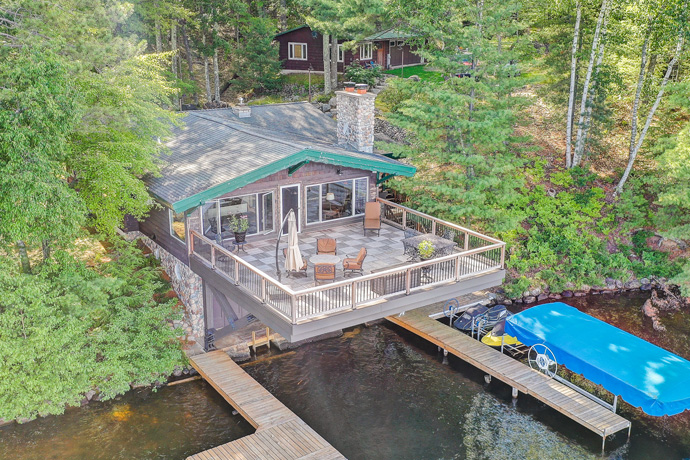
A lake cottage with outdated finishes but an irreplaceable shoreline setting is often worth renovating. A suburban home with chopped-up rooms, recurring basement moisture, aging systems, and no layout flexibility often points toward building new.
A family acreage with a small older farmhouse may also justify a custom build if the land is the true asset and the structure no longer supports the family’s long-term needs. The point is that the lot and the bones matter more than the finishes currently sitting on top of them.
How To Decide
Before committing, homeowners need honest answers to a few questions. Is the location worth preserving? Does the structure have enough integrity to support major work? How much of the budget will go toward hidden corrections instead of visible improvement? Are you solving a dated appearance, or solving a house that no longer functions?
The right choice depends on the land, the existing structure, the budget, and how the home needs to support your life long term. DeLeers Construction helps Wisconsin homeowners evaluate those options with clear planning, experienced guidance, and craftsmanship built for the way homes perform in this region.
If you are weighing whether to renovate or build new, DeLeers can help you understand which path gives you the strongest long-term value. With residential teams serving areas from Door County to Northern Wisconsin and Green Bay, we can help you determine which investment makes the most sense for your home and your future.
Message or call our experts at 920-347-5830 with any questions about hiring professionals to build your dream home!
- Share:
-

-

-

-


