
August 19, 2026
Design-build construction is a project delivery method that's become the standard for Wisconsin homeowners and business owners. It offers fewer surprises and a faster path from idea to finished space.
Design-Build Explained in Plain Terms
Design-build means one company handles both the architectural planning and the physical construction. Everything happens under a single contract instead of two separate agreements.
Your architect and your builder sit at the same table from the earliest sketches. Structural questions get answered before they turn into costly redesigns, and budget conversations happen alongside design decisions instead of after them.
At DeLeers, we've built this into a formal process called the DeLeers Delivery System, designed around Wisconsin's climate, permitting requirements, and material availability.
How Design-Build Differs from the Traditional Bid Process
In a traditional project, a homeowner hires an architect and waits for finished drawings. Those plans then go out to several contractors for competitive bids, and the lowest bidder often wins the job.
Sometimes that contractor never meets the architect or catches gaps in the plans before construction starts. Those gaps tend to surface once framing is underway, which is exactly when fixing them costs the most, in both dollars and delays to your move-in date.
One Contract, One Team
Design-build folds architectural design services and construction into a single team with one point of accountability. If a design choice affects cost or timeline, the answer comes from the same people already building the project, the ones who were in the room when that choice got made.
That's the same team you'll still be talking to in month three, when the questions that matter most tend to come up.
Fewer Change Orders and Budget Surprises
The design and construction teams review plans together before signing off, so structural conflicts and code issues typically surface during design review, before the concrete gets poured rather than after.
A mismatched beam size or an HVAC run that clashes with your ceiling plan gets caught on paper. Correcting it there costs a phone call. Catching it after framing costs weeks of rework and a change order you didn't budget for.
The DeLeers Approach to Design-Build
Every project starts with a detailed conversation about budget, timeline, and how you actually plan to use the space day to day, as much as how it should look.
We've written before about the most important questions to ask before hiring a general contractor, and we hold ourselves to those same standards internally. That means clear pricing, realistic scheduling, and a single team you can reach with any question throughout the build.
When Design-Build Makes the Most Sense
Complex projects with a lot of moving parts benefit the most from this approach, and so do projects running against a firm deadline. Coordination is exactly where traditional bidding processes tend to lose time and money.
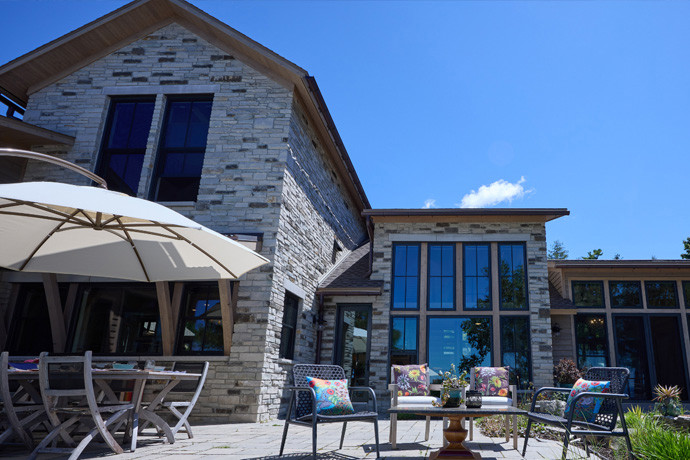
Custom Homes
Custom home construction involves hundreds of interdependent decisions, from foundation type to window placement to finish selections.
Design-build keeps those decisions connected instead of scattering them across an architect's office and a separate contractor's schedule. That matters most when your home's layout depends on choices made months apart.
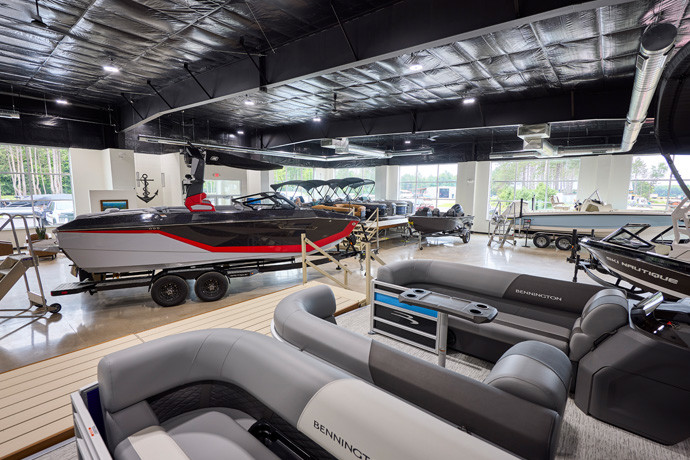
Commercial Builds and Renovations
Business owners taking on new commercial builds are usually racing a deadline: a lease start date, a financing deadline, or a grand opening already set with vendors and staff.
Design-build lets permitting and early site work move forward while final interior details are still being refined. That overlap shortens the overall timeline in ways sequential bidding simply can't match.
Questions to Ask a Design-Build Firm
Ask how design decisions get priced before they're finalized. Firms that estimate as they design catch budget issues you'd otherwise discover mid-project.
Ask who on the team is your single point of contact and how often you'll get updates. Request examples of projects similar in scope to yours, then ask what went wrong on at least one of them.
A firm with real experience will point to a specific project, a specific problem, and a specific fix. A firm without much experience tends to speak in generalities instead.
Start Your Project with One Team from Day One
A design disconnected from the people building it tends to cost you somewhere down the line: a budget overrun, a missed deadline, or a compromise you never planned for.
DeLeers designs and builds under one roof so those gaps don't happen in the first place. Reach out today and let's start a conversation about your project.
Message or call our experts at 920-347-5830 with any questions about hiring professionals to build your dream home!
- Share:
-

-

-

-


