
July 19, 2026
Your home's exterior takes the brunt of everything Wisconsin's climate delivers. Freezing winters, humid summers, heavy snow loads, and strong seasonal winds all put real stress on siding, roofing, and trim. Choosing materials built for this climate protects your investment and keeps your home looking sharp for decades. Here's what actually holds up.
Wisconsin's Weather Challenges
Before comparing materials, it helps to understand what they're up against. Wisconsin's climate cycles through extremes every year, and exterior materials need to handle all of them without cracking, warping, or breaking down prematurely.
Moisture, Freeze-Thaw, and Wind
Water is the biggest threat to any home's exterior. When moisture seeps into a material and then freezes, it expands, and that expansion creates cracks. As temperatures rise and fall repeatedly through the season, this freeze-thaw cycle repeats too, gradually weakening materials that aren't built to resist it.
Add in strong winds that test every seam and fastener, and you can see why exterior material selection matters so much in this region. A material that performs beautifully in a mild climate can fail quickly here.
Siding Options and Their Pros and Cons
Siding is your home's first line of defense, and the material you choose affects both appearance and performance for years to come.
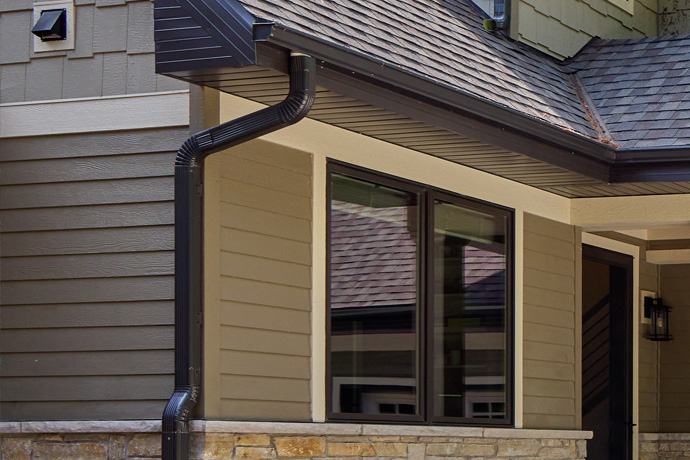
Fiber Cement, Engineered Wood, and Vinyl
Fiber cement siding has become a go-to choice for Wisconsin homeowners because it resists moisture, holds paint well, and stands up to impact from hail and debris. It costs more upfront than vinyl, but its durability and low-maintenance profile make it a strong long-term value.
Engineered wood siding offers a similar look to traditional wood at a lower price point, with better resistance to rot and insects, though it still requires periodic maintenance to protect the exterior coating.
Vinyl siding remains popular for its affordability and minimal upkeep, but in extreme cold it can become brittle, so quality and proper installation matter more than the price tag alone.
Natural Wood and Stone Accents
Natural wood brings warmth and character that manufactured materials struggle to replicate, and many homeowners use it as an accent alongside more durable primary siding. It requires consistent sealing and maintenance to prevent moisture damage, so it works best in smaller applications, like gables or entryway features, rather than as full exterior coverage.
Stone and stone veneer accents add texture and permanence to a home's facade. They handle Wisconsin's weather exceptionally well and require very little maintenance once installed correctly.
Roofing Materials That Last
Your roof faces the most direct exposure to snow, ice, and sun, making material choice especially important here.
Asphalt vs. Metal Roofing
Asphalt shingles remain the most common roofing material because of their balance of cost and performance. Quality architectural shingles can last twenty-five to thirty years when installed properly, and they handle Wisconsin's freeze-thaw cycles well.
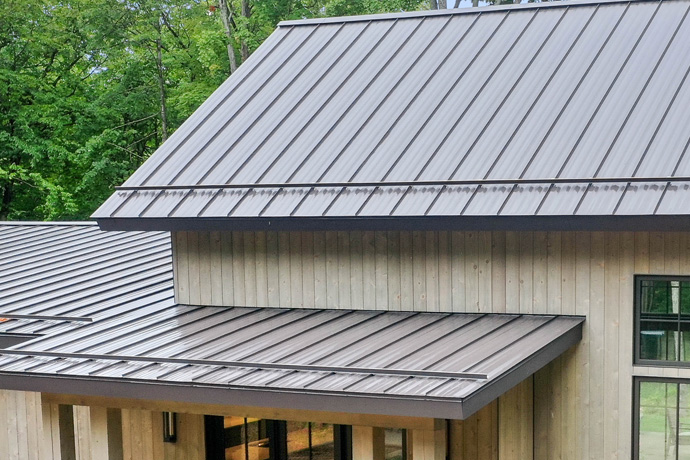
Metal roofing costs more initially but offers a longer lifespan, often exceeding fifty years, along with excellent snow-shedding properties that reduce ice buildup. For homeowners planning to stay in their home long-term, metal roofing frequently pays for itself through durability and reduced maintenance.
Ice Dams and Ventilation
Ice dams form when heat escapes through the roof, melts snow, and refreezes at the colder eaves, creating a barrier that traps water and forces it under shingles. Proper attic insulation and ventilation prevent this cycle by keeping the roof surface at a consistent temperature.
This is one of the most overlooked factors in roof longevity, and addressing it during installation prevents costly water damage down the line.
Choosing Durable Trim and Exterior Details
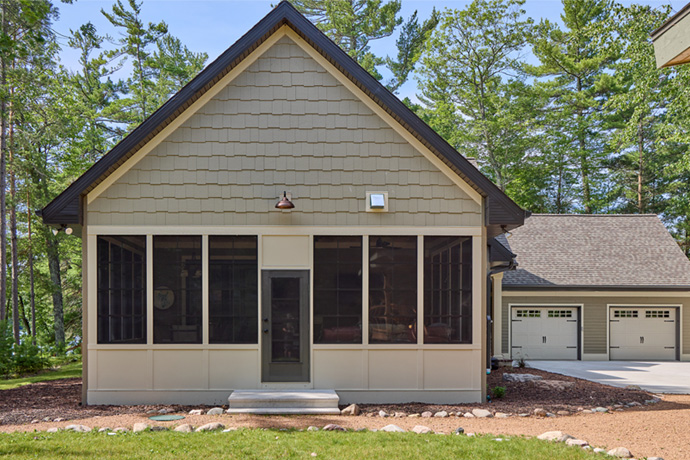
Soffits, Fascia, and Window Trim
Trim details play a major role in protecting your home from moisture intrusion. Aluminum and vinyl soffits and fascia resist rot and require little maintenance, making them a smart choice for Wisconsin's climate.
Composite window trim offers similar durability while providing a cleaner, more finished look than traditional wood, which tends to swell and crack under repeated moisture exposure. These details work together with siding and roofing to seal your home against the elements.
Maintenance and Longevity
Even the most durable materials benefit from regular attention. Annual inspections catch small issues, like a loose shingle or a hairline crack in trim, before they become expensive repairs.
Cleaning gutters, checking caulking around windows, and looking for signs of moisture intrusion each season extends the life of every exterior material on your home, regardless of how well it was built.
Balancing Aesthetics and Cost
The right material choice depends on your specific budget and your specific home. A thoughtful approach means matching materials to your home's specific exposure, using premium products where they matter most, like roofing and primary siding, and reserving natural wood or stone accents for smaller areas where they add character without significant upkeep.
Choosing exterior materials for a Wisconsin home is a decision worth getting right the first time. DeLeers Construction can walk you through the options that make sense for your home, your climate exposure, and your budget. Reach out to our team, and let's build an exterior that lasts.
Message or call our experts at 920-347-5830 with any questions about hiring professionals to build your dream home!
- Share:
-

-

-

-


