
June 23, 2026
One of the most common questions homeowners ask at the beginning of a project is simple: When is the best time to build?
In Wisconsin, the answer depends on the type of project, the site conditions, and the homeowner's goals. While weather certainly influences construction schedules, modern building techniques allow many projects to move forward year-round.
The reality is that every season presents its own advantages and challenges. Winter may require temporary heating and additional protection, while summer often brings longer lead times and busier subcontractor schedules. Understanding how the seasons affect construction can help homeowners make informed decisions and set realistic expectations before work begins. If you're still weighing your options, our guide on whether to renovate your old home or build new is a helpful starting point.
How Weather Affects Construction
Wisconsin's climate creates conditions that builders must account for throughout the year. Temperature, precipitation, ground conditions, and daylight hours can all influence how certain phases of construction are scheduled.
Many homeowners assume construction stops during the winter, but that is rarely the case. Instead, project teams adjust methods, sequencing, and protection measures to maintain progress while protecting materials and workmanship.
Frost, Snow, and Ground Conditions
Frozen ground presents one of the most significant seasonal considerations. Excavation becomes more difficult once frost penetrates the soil, particularly for foundations, utility trenches, and site preparation work. Snow accumulation can also slow grading activities and make it more difficult to access certain portions of a site.
Ground conditions affect more than excavation. Heavy spring thaws can create muddy conditions that complicate equipment access, while prolonged rainfall may temporarily delay exterior work. Experienced builders monitor forecasts closely and adjust schedules when necessary.
Because Wisconsin weather can shift quickly, construction schedules are often built with some flexibility to account for changing conditions.
Building in Winter
Many homeowners are surprised to learn that winter can be an excellent time to begin certain projects. While some exterior activities become more complex, many interior and structural phases can continue successfully with proper planning and protection.
What Exterior Work Changes
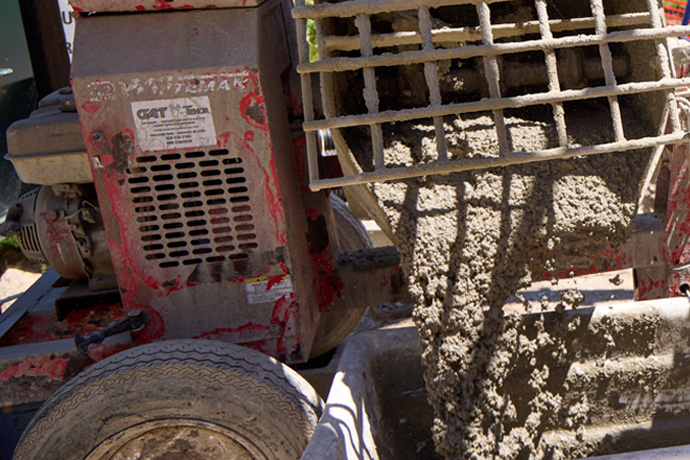
Concrete work often requires additional precautions during colder temperatures. Freshly poured concrete must be protected from freezing while it cures, and some products have minimum temperature requirements for proper installation.
Roofing, siding, exterior painting, and masonry work may also require weather-dependent scheduling. Certain materials become more difficult to install during extreme cold, while snow and ice can create safety concerns for crews working at height. Choosing the right roofing materials for harsh climates can make a meaningful difference in how well exterior work holds up through a Wisconsin winter.
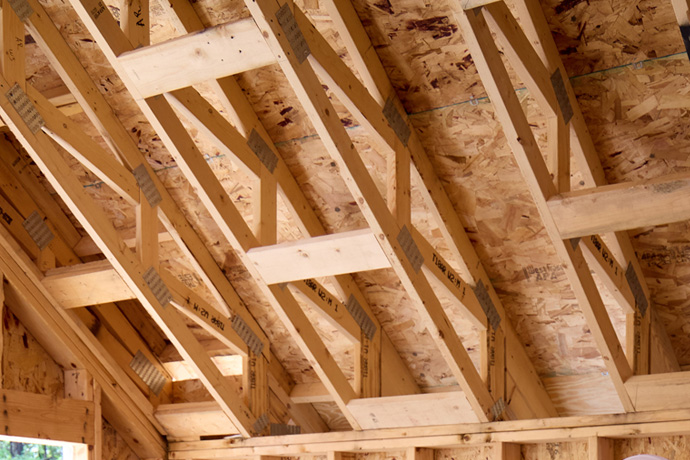
Roofing, siding, exterior painting, and masonry work may also require weather-dependent scheduling. Certain materials become more difficult to install during extreme cold, while snow and ice can create safety concerns for crews working at height.
That does not necessarily mean these activities stop entirely. Instead, project teams often sequence work differently, focusing on activities that can proceed efficiently under existing conditions.
Managing Heat and Temporary Protection
Once a structure is enclosed, temporary heating can allow interior work to continue throughout the winter months. Drywall finishing, flooring installation, painting, millwork, and many other trades depend on stable temperatures and controlled humidity levels. Temporary heating systems help create the conditions necessary for these materials to perform properly.
Builders may also install temporary enclosures around portions of the structure during construction. These protective measures help shield materials from snow, wind, and moisture while allowing crews to maintain productivity.
The additional planning involved in winter construction can increase certain costs, but it often allows projects to maintain momentum rather than waiting months for warmer weather.
Building in Spring and Summer
Spring and summer are traditionally the busiest construction seasons in Wisconsin. Warmer temperatures, longer daylight hours, and favorable site conditions make these months particularly attractive for both new construction and home renovation projects.
Scheduling and Lead Times
Because demand increases significantly during spring and summer, scheduling often becomes one of the biggest challenges for homeowners. Many people begin contacting contractors once the weather improves, which can lead to fuller schedules and longer wait times. Homeowners hoping to start a project in June may find that planning conversations need to begin months earlier.
Lead times can affect more than contractor availability. Windows, cabinetry, specialty finishes, custom millwork, and certain appliances may require months to manufacture and deliver.
Waiting until construction begins to make selections can create avoidable delays later in the project.
Site Conditions and Storm Planning
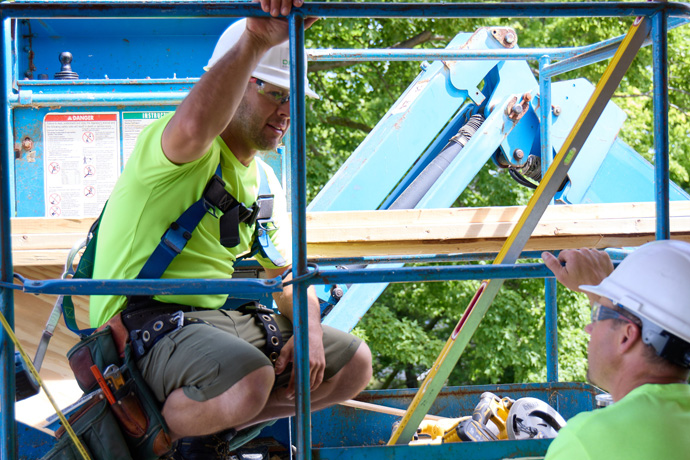
While summer generally provides favorable working conditions, it is not without challenges. Heavy rain events can temporarily affect excavation, foundation work, grading, and landscaping activities. Thunderstorms may interrupt exterior work or create site access issues, particularly on properties with challenging topography.
Project managers routinely monitor forecasts and adjust daily schedules around weather conditions. This is one reason construction timelines often include contingency days that account for unexpected interruptions. Homeowners sometimes view schedule adjustments as a sign that something has gone wrong. In reality, weather flexibility is a normal part of responsible project management.
Fall Projects and Preparations
Fall offers some of the most comfortable construction conditions of the year. Moderate temperatures are often ideal for both workers and building materials, and many homeowners appreciate having projects completed before the holidays and winter weather arrive.
Getting Enclosed Before Freeze
For projects that involve significant exterior work, one important milestone is getting the structure enclosed before prolonged freezing temperatures arrive. Once roofing, windows, exterior doors, and weather barriers are installed, interior work becomes much easier to manage, regardless of outdoor conditions.
The exact timing varies from year to year, but builders typically monitor seasonal forecasts closely when scheduling projects that extend into late fall.
For homeowners considering additions, major renovations, or custom homes, fall planning often helps position a project for steady progress throughout the winter months.
Tips for Planning Your Project
Construction schedules are influenced by far more than weather alone. Product availability, design decisions, permitting, engineering reviews, inspections, and site conditions all play important roles in determining how a project unfolds.
Ordering Materials Early
Long-lead materials continue to affect many construction projects. Custom windows, cabinetry, specialty fixtures, appliances, and certain finish materials may require weeks or months to arrive after they are ordered. Early selection decisions help reduce the likelihood of delays later in the construction process.
Many experienced builders encourage homeowners to begin making key product selections well before installation dates approach. This allows the project team to identify potential lead time concerns early and adjust accordingly.
Building in Buffer Time
Virtually every construction project encounters variables that cannot be predicted months in advance. Weather events, supplier delays, inspection schedules, and unforeseen site conditions can all influence timelines. Building some flexibility into the schedule from the beginning often creates a smoother experience than planning around a rigid completion date. If you're living in the home during the work, our tips on phasing your renovation without disrupting daily life can help you plan around the seasons more comfortably.
Homeowners are generally happiest when they view target dates as goals rather than guarantees. Construction involves hundreds of moving parts, many of which depend on factors outside any single person's control.
Working With DeLeers Through the Seasons
Many homeowners assume they need to wait for the "perfect" season to begin a project. In reality, successful projects often start months before construction crews arrive on site. Design work, budgeting, material selections, engineering, permitting, and scheduling all take time, regardless of whether ground is being broken in January or July. Much of this happens before a single crew shows up, which is exactly what we cover in what happens after the design phase.
At DeLeers, we help clients across Northern Wisconsin and beyond think through the entire timeline, not just the build itself. A family hoping to move into a custom home next summer may need to begin planning this fall. A homeowner who wants a renovated kitchen ready for the holidays may need to start design conversations much earlier than expected.
Wisconsin weather will always be part of the equation, but it is rarely the factor that determines whether a project succeeds. Clear planning, realistic scheduling, and making decisions early tend to have a much bigger impact on keeping a project moving smoothly from start to finish.
If you're considering a custom home, addition, or renovation, the best time to start the conversation is usually sooner than you think. Even if construction is months away, early planning creates more options and often leads to a smoother building experience.
Message or call our experts at 920-347-5830 with any questions about hiring professionals to build your dream home!
- Share:
-

-

-

-


