
June 13, 2026
Many homeowners assume construction begins as soon as the design drawings are finished. In reality, there is an important phase between finalizing a design and breaking ground. During this time, drawings are refined, permits are submitted, trade partners are brought into the process, materials are selected, and the site is prepared for construction.
While much of this work happens behind the scenes, it plays a major role in how smoothly a project unfolds once crews arrive on site. Decisions made during pre-construction can affect budget accuracy, scheduling, construction quality, and the number of surprises encountered later.
For homeowners, understanding what happens during this stage can make the waiting feel a little less mysterious. It also helps to see how this phase fits within the key phases of construction as a whole.
From Design to Documents
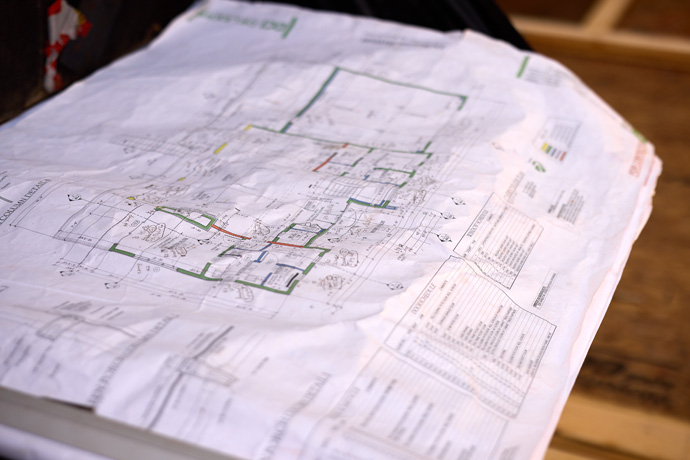
Design drawings establish the vision for a project. Pre-construction turns that vision into a roadmap that builders, trade partners, suppliers, and inspectors can actually work from.
A floor plan may show where a kitchen island belongs, but it does not necessarily identify the exact appliance models, countertop material, plumbing fixtures, cabinet hardware, lighting specifications, or paint finishes. Those details need to be finalized before construction reaches those stages.
Selections and Specifications
One of the most important parts of pre-construction is making product selections. This includes everything from flooring and cabinetry to faucets, windows, appliances, tile, lighting, and trim details.
Homeowners are often surprised by how many decisions are involved. A custom home or major renovation may require hundreds of individual selections before construction is complete. Making those choices early serves a practical purpose beyond aesthetics. Lead times can vary significantly between products. A standard plumbing fixture may arrive within days, while custom windows or specialty lighting may require several months.
At DeLeers, product selections are coordinated with the construction schedule so that materials are available when crews need them.
Understanding the Permitting Process
Permitting is one of the least visible parts of a project, yet it is essential to moving construction forward legally and safely. The exact requirements vary depending on location, project scope, and municipal regulations, but nearly every substantial construction project requires some level of review and approval. Permits exist to ensure work complies with building codes, zoning requirements, structural standards, and safety regulations. Our step-by-step guide to acquiring building permits walks through the process in more detail.
Common Permits for New Builds
New custom homes typically require multiple approvals before construction can begin. Depending on the municipality, these may include building permits, zoning approvals, erosion control permits, driveway permits, utility permits, and stormwater management reviews. Some sites also require additional environmental review, particularly near wetlands, shorelines, protected areas, or steep grades. It's worth understanding what zoning laws mean before building, since they can shape what's possible on a given site.
Permit timelines vary widely. In some communities, approvals may move quickly, while others require multiple review cycles before permits are issued. This is one reason experienced builders begin the permitting process well before a planned start date.

Common Permits for Renovations
Renovation projects often require permits as well, particularly when work involves structural modifications, electrical systems, plumbing, HVAC systems, additions, or changes to occupied living spaces.
A kitchen remodel that keeps the existing layout may require fewer approvals than an addition that expands the home's footprint.
Homeowners are sometimes tempted to view permits as paperwork that slows down construction. In reality, permits provide an important layer of oversight that helps ensure work is completed safely and according to current building standards. Even so, permit delays and material shortages do happen, and knowing how to handle them keeps a project on track.
Obtaining Bids and Selecting Trade Partners
Once project details become more defined, builders begin gathering pricing and coordinating the trade partners who will ultimately complete much of the work. For homeowners, this stage often raises questions about how subcontractors are selected and why some builders consistently work with the same teams.
The answer usually comes down to trust and predictability. A builder's reputation is tied to every electrician, plumber, cabinet installer, and painter who works on a project.
How Builders Vet Trades
Price matters, but it is rarely the only consideration. Experienced builders evaluate trade partners based on reliability, communication, workmanship, scheduling performance, safety practices, and their ability to solve problems when unexpected conditions arise. The lowest bid is not always the best value if it creates delays, quality concerns, or costly corrections later. Many of the same principles apply when you're choosing a general contractor in the first place.
Many of the strongest builder-trade relationships develop over years of working together. Teams become familiar with expectations, communication styles, and quality standards, which often results in a more efficient construction process for the homeowner. This consistency is particularly valuable on custom projects, where details are rarely identical from one home to the next.
Preparing the Site
Before excavation begins, there is often a significant amount of preparation happening behind the scenes. Every site presents unique conditions that need to be understood before construction equipment arrives.
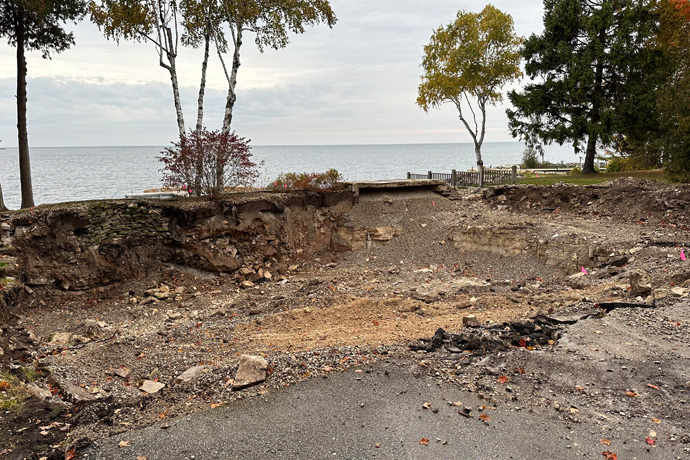
Surveys, Soil, and Utilities
A property survey confirms boundary lines, easements, setbacks, and other site constraints that influence where construction can occur.
Soil testing may be performed to evaluate bearing capacity, drainage characteristics, and foundation requirements. While homeowners rarely see this work happening, these findings can have a major impact on engineering decisions later.
Utility coordination is another important step. Existing utility locations must be identified, new service connections may need approval, and site access must be planned carefully.
Many homeowners imagine construction beginning with excavators and framing crews. In reality, some of the most important work happens before the first piece of heavy equipment arrives. Seasonal conditions matter here too, which is why our seasonal construction timeline in Wisconsin is worth reviewing before scheduling site work.
Collaborating With Your Builder
Pre-construction is often the phase when communication matters most. Questions get answered, expectations are established, and decisions are documented before construction begins, moving at full speed. Projects that feel organized during construction are usually the result of significant preparation beforehand.
Communication and Change Control
One of the biggest factors affecting project schedules and budgets is change. Some changes are unavoidable. Homeowners may discover a product they prefer or encounter a design opportunity they had not previously considered. Others occur because decisions were delayed until construction was already underway. Neither situation is inherently wrong, but changes become easier to manage when there is a clear process in place for evaluating cost, schedule, and scope impacts before work proceeds.
Experienced builders place a strong emphasis on documentation and communication because assumptions can become expensive very quickly.
Getting Ready for Construction Day
By the time construction officially begins, months of preparation have often already taken place. Drawings have been refined. Permits have been secured. Materials have been selected. Trade partners have been coordinated. Site conditions have been evaluated. Schedules have been developed. If you're curious about everything that follows, our overview of what to expect in a custom home build, from blueprint to move-in picks up where this stage leaves off.
To homeowners, construction day may feel like the beginning of the project. For the builder, it is often the result of hundreds of decisions made long before the first shovel enters the ground.
At DeLeers, pre-construction is treated as more than an administrative step between design and building. It is an opportunity to identify challenges early, coordinate details thoroughly, and create a clear plan before crews arrive on site. The more questions that are answered during this phase, the more confidently construction can move forward when work begins.
Message or call our experts at 920-347-5830 with any questions about hiring professionals to build your dream home!
- Share:
-

-

-

-


